Ceiling beams: styles and install tips's style
Ceilings are one of the most overlooked surfaces in a room. A plain drywall ceiling works fine, but adding decorative beams introduces architectural depth that makes a space feel finished. Whether you go with real lumber, manufactured faux beams, or salvaged material, each option comes with trade-offs worth understanding before you commit.
Here are six approaches — with honest notes on cost, effort, and where each works best.
Wood ceiling beams
For more on this topic, see our guide on Garage ceiling ideas: materials compared.
For more on this topic, see our guide on Bathroom ceiling ideas: four options compared.
Solid wood beams are the original option and still the benchmark. Cedar, pine, and oak each age differently — cedar grays beautifully outdoors and resists moisture, pine is affordable and takes stain well, and oak is the hardest and most expensive of the three.
A few things to weigh before choosing:
- Style fit: Rough-hewn beams suit farmhouse and cabin interiors. Planed, sealed beams work better in contemporary spaces.
- Structural load: Solid wood is heavy. Your ceiling framing needs to support the weight, which may mean adding blocking between joists.
- Cost: Expect to pay $15-$40 per linear foot depending on species and finish, plus professional installation.
Maintenance is straightforward — seal the wood to prevent moisture absorption, and sand down any rough spots that develop over time. Properly sealed beams last decades without much attention.
Faux ceiling beams
Faux beams are hollow polyurethane or high-density foam pieces that look like wood but weigh a fraction as much. A 10-foot faux beam might weigh 8 pounds; the same size in solid oak weighs over 100.
This matters because light weight means easier installation, most homeowners can mount faux beams as a weekend project with a few screws into ceiling joists. The cost savings are significant too, typically 40-60% less than real wood.
Modern faux beams have gotten remarkably convincing. Manufacturers mold them from actual wood to capture grain patterns, and hand-applied stains add depth. From floor level, even a careful observer would struggle to tell the difference.
The weak point is durability in high-moisture areas. Some cheaper faux beams can warp or yellow in bathrooms or covered outdoor spaces. If that is your intended location, check that the manufacturer rates the product for humid environments.
More information: HGTV’s guide to faux ceiling beams
Metal ceiling beams
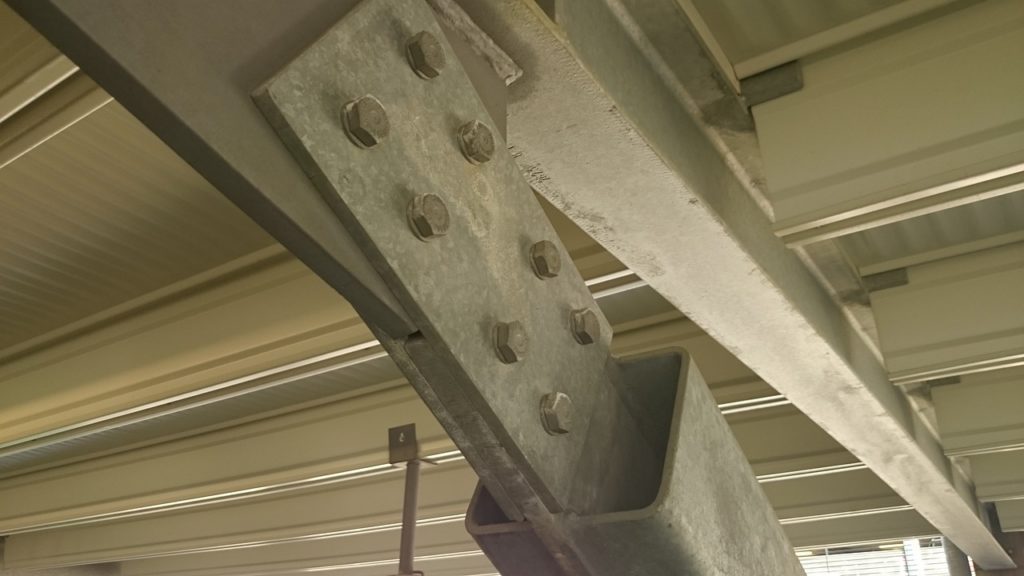
Metal beams work well in loft conversions, industrial-style spaces, and contemporary homes. Steel and aluminum are the most common materials, and they come in three main finishes:
- Polished: Reflective, works in industrial and modern spaces
- Brushed: Softer sheen, more versatile
- Matte (powder-coated): Blends with painted surfaces, easiest to maintain
The practical upside of metal beams is near-zero maintenance. They do not warp, shrink, or attract insects. The downside is weight (steel beams need serious structural support) and the cold, hard feel they introduce, not ideal if you are going for a cozy atmosphere.
A useful trick: if you want the metal look without the weight, use thin-gauge hollow steel tubes. They mount like faux beams but have an authentic industrial texture.
Reclaimed ceiling beams
Reclaimed beams come from demolished barns, warehouses, and old homes. Each piece carries its own history, nail holes, saw marks, weathering, and that patina is impossible to fake convincingly.
The environmental angle is real: using reclaimed lumber keeps usable material out of landfills and avoids the energy cost of milling new wood.
A few practical tips for working with reclaimed beams:
- Inspect for hidden metal (old bolts, nails, even bullet fragments in barn beams) before cutting
- Check for lead paint if the source building was built before 1978
- Pair distressed beams with cleaner elements (metal light fixtures, smooth drywall) to avoid looking too rustic
Pricing varies wildly depending on species, age, and condition. Expect $8-$25 per linear foot for material, though rare species or unusually large timbers can cost much more.
Painted ceiling beams

Painting existing beams, or painting new ones before installation, opens up color as a design tool. This is often the most budget-friendly approach because you can use affordable wood or MDF as the base.
Color selection makes or breaks the result:
- White or cream: Clean, airy, works in virtually any room. Good for making low ceilings feel taller.
- Dark (navy, charcoal): Creates contrast and draws the eye upward. Works best in rooms with 9+ foot ceilings.
- Bold (coral, forest green): A statement choice. Best used in small doses, such as a single beam or a grid pattern in a defined space.
For durability, use a quality primer and semi-gloss or satin finish paint. On wood beams, a wood-specific primer prevents tannin bleed-through. On MDF or plaster, a bonding primer ensures adhesion.
Stenciling and distressing techniques can add texture to painted beams. Dry-brushing a lighter shade over a dark base coat creates a weathered look without the hassle of actual aging.
Boxed ceiling beams
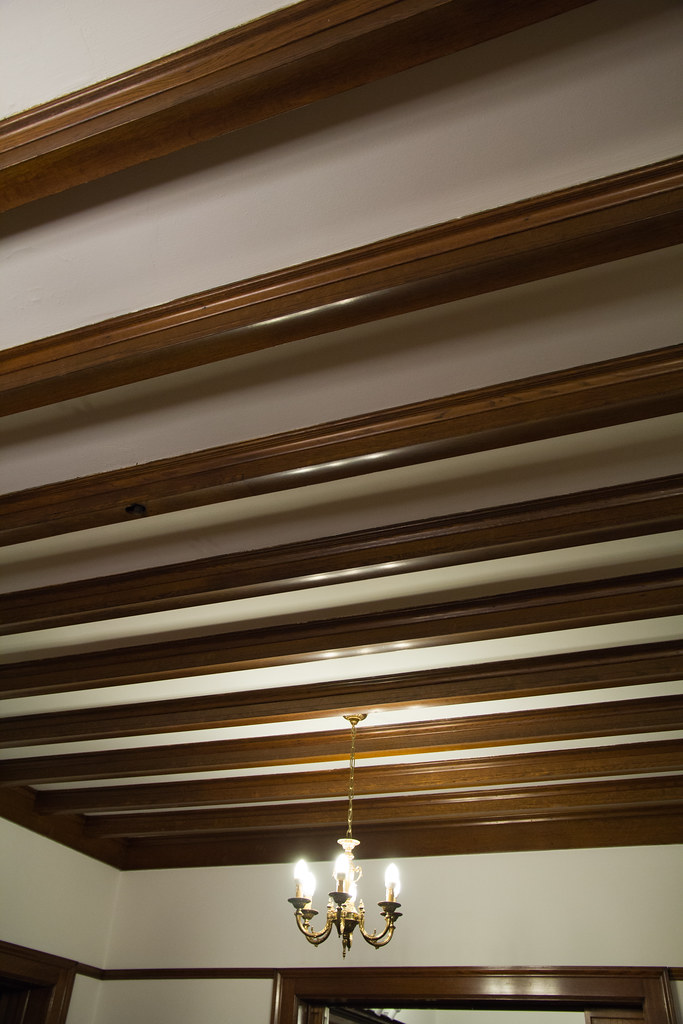
Boxed beams are three-sided hollow structures (think of a U-channel) that mount flat against the ceiling. Arranged in a grid, they create a coffered ceiling effect, a classic architectural detail that is easier to achieve than it looks.
Material options:
- Wood or MDF: Attractive finish, can be stained or painted, durable long-term. MDF is cheaper but doesn’t handle moisture well.
- Plaster: Less expensive, lighter weight, but more fragile and harder to repair if damaged.
When planning a coffered layout, scale matters. In a standard 8-foot ceiling room, beams that are too deep (more than 4 inches) can make the space feel cramped. In rooms with 10+ foot ceilings, deeper beams (6-8 inches) create better proportions.
The spacing between beams also affects the look, evenly spaced beams at 3-4 foot intervals create a formal grid, while wider spacing feels more casual.
Choosing the right beam for your space
Each beam type has a sweet spot. Here is a quick comparison:
| Type | Best for | Budget | DIY-friendly? |
|---|---|---|---|
| Solid wood | High-end renovations, rooms with structural support | $$$ | No |
| Faux | Most homeowners, rental-friendly upgrades | $ | Yes |
| Metal | Loft and industrial spaces | $$ | No |
| Reclaimed | Character-rich, eco-conscious projects | $$ | Depends |
| Painted | Budget makeovers, rentals | $ | Yes |
| Boxed | Coffered ceiling effects | $$ | Moderate |
The best starting point is to look up, the ceiling you have now, the height you are working with, and the structural capacity of the framing will narrow your options faster than any style preference will.
Related guides
- Bathroom ceiling ideas, ceiling treatments for high-moisture rooms
- Garage ceiling ideas, functional ceiling materials for utility spaces
- Console table decor, styling surfaces below your new beams
Sources
- Faux beam design options: HGTV, Faux Ceiling Beams
- Reclaimed wood sourcing and pricing: Reclaimed Wood Exchange
- Lumber pricing per linear foot: Home Depot and Lowe’s retail listings (February 2026)
Bottom Line
Ceiling beams add architectural interest to any room, and you do not need an old farmhouse to use them. Faux beams weigh a fraction of solid wood, install in a weekend, and cost significantly less. Choose your material based on the look you want, rough-hewn for rustic, clean MDF for modern, reclaimed wood for character, and always check ceiling height before purchasing. Beams work best in rooms with at least 9-foot ceilings.
Frequently Asked Questions
How much do faux ceiling beams cost?
Faux polyurethane beams run $15–$40 per linear foot, compared to $30–$80+ for real wood. A typical 12x14 room needs 3–5 beams (around 40–60 linear feet total), putting the material cost between $600 and $2,400 for faux options.
Can you install ceiling beams on drywall?
Yes. Faux beams are lightweight enough to mount directly to drywall using wood cleats screwed into ceiling joists. You need to locate your joists with a stud finder and attach the mounting blocks there, not just into drywall alone.
Do ceiling beams make a room look smaller?
In rooms under 8 feet tall, yes, beams visually lower the ceiling. In rooms 9 feet and above, beams add character without feeling cramped. The trick is beam size: smaller, shallower beams work in shorter rooms.