Garage decor ideas that work
Why bother decorating a garage?
Most garages end up as overflow storage — half-empty paint cans, holiday decorations, and whatever did not fit in the house. But a garage is real square footage, often 200-400 square feet, and treating it like usable space pays off in both daily convenience and home resale value.
The upgrades below range from a weekend afternoon and $50 to a full renovation. Pick what matches your needs.
DIY projects that make a real difference
For more on this topic, see our guide on Garage ceiling ideas: materials compared.
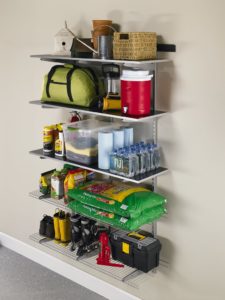
Wall-mounted shelving is the single highest-impact change you can make. Standard utility shelves from a home improvement store cost $30-$80 and install in under an hour. Mount them high to keep floor space clear for parking or projects.
For more on this topic, see our guide on Bathroom door ideas: types and when to use them.
A dedicated workbench turns wasted corner space into a functional work area. A basic 2x4 frame with a plywood top costs under $100 in materials. Add a pegboard above it for tools, and you have a workshop that actually gets used.
Paint the walls. This sounds obvious, but a fresh coat of light gray or white paint on raw drywall makes the entire space feel cleaner and brighter. One gallon of garage-rated latex paint runs about $35 and covers 350 square feet.
Storage solutions that keep things accessible

The goal is not just to store things — it is to store them so you can find and reach them. Here are three proven systems:
Pegboards and slatwall panels: Best for frequently used hand tools, garden supplies, and small equipment. Mount them at eye level near your work area. Pegboard is cheaper ($15-$25 per 4x8 sheet); slatwall looks cleaner and holds more weight.
Cabinets: Ideal for chemicals, paint supplies, and items you want hidden. Lockable metal cabinets also keep hazardous materials away from children and pets. Budget metal cabinets start around $100; nicer modular garage systems run $500+.
Hooks and overhead racks: Ceiling-mounted racks are the best solution for seasonal items, luggage, and bulky sports equipment. Wall hooks handle bikes, ladders, and extension cords. A ceiling rack rated for 250 lbs costs $40-$80.
Lighting that makes the space functional

Most garages ship with a single bare-bulb fixture in the center of the ceiling. That is not enough light for any real work.
Task lighting: LED shop lights mounted above workbenches provide focused, shadow-free illumination. A 4-foot linkable LED fixture costs $15-$25 and puts out 4,000+ lumens.
Overhead lighting: Replace the single bulb with flush-mount LED panels or wraparound fixtures. Two 4-foot LED wraparounds ($20-$30 each) will adequately light a two-car garage.
Accent lighting: LED strip lights under cabinets or along baseboards add visibility in dim corners and make the space feel more finished. A 16-foot LED strip with adhesive backing costs under $15.
The total cost to properly light a garage is often under $100 — one of the best returns on investment of any garage upgrade.
Flooring options worth considering
Bare concrete stains easily and looks progressively worse over time. Two common upgrades:
Epoxy coating: A two-part epoxy system bonds to concrete and creates a glossy, chemical-resistant surface. DIY kits run $100-$300 for a two-car garage. The application takes a full weekend, you need to etch the concrete, apply the coating, and wait 24-72 hours for it to cure. The results look professional and last 5-10 years.
Interlocking tiles: Snap-together polypropylene tiles that sit on top of the concrete with no adhesive. They come in various colors and patterns, install in a few hours, and cost $2-$5 per square foot. The advantage over epoxy is that you can install them immediately with no prep time, and they are removable if you move.
| Option | Cost (2-car garage) | Install time | Durability |
|---|---|---|---|
| Epoxy coating | $100-$300 | Full weekend | 5-10 years |
| Interlocking tiles | $400-$1,000 | 2-4 hours | 10+ years |
Wall decorations that reflect your interests

Once the functional upgrades are done, personalizing the walls makes the garage feel intentional rather than utilitarian.
Framed memorabilia: Vintage signs, concert posters, team jerseys, or framed photos related to your hobbies work well. Group them on one wall rather than scattering them around the room.
Decals and stencils: Custom wall decals are an inexpensive way to add personality. Racing stripes, brand logos, or custom typography can be applied in minutes and removed without damage.
Gallery walls: A grid of uniformly framed photos, car builds, travel shots, family moments, gives the space a personal, finished look without cluttering the walls.
Getting started
You do not need to tackle everything at once. A practical order:
- Clear and clean, empty the garage and sort items into keep/donate/trash piles
- Storage first, install shelving, hooks, and cabinets before anything else
- Lighting, add task and overhead lighting so you can actually see what you are doing
- Flooring, apply epoxy or interlocking tiles once the heavy lifting is done
- Personalize, add wall decor and finishing touches last
Most of these upgrades are weekend-friendly and budget-conscious. The difference between a neglected garage and a functional one is usually $200-$500 and a couple of dedicated days.
Climate control on a budget
If you plan to spend real time in the garage, whether it is a workshop, home gym, or hobby room, temperature matters. An uninsulated garage swings from freezing in winter to brutally hot in summer.
Insulation: If your garage walls are exposed stud framing, fiberglass batt insulation is the cheapest option at $0.50-$1.50 per square foot. For garages with finished drywall, blown-in insulation injected through small holes is less disruptive but costs $1.50-$3.00 per square foot professionally installed.
Heating: A 240V electric garage heater ($120-$250) is the most common option. It mounts on the wall or ceiling and heats a two-car garage to comfortable working temperature in 20-30 minutes. Propane heaters are cheaper upfront but require ventilation.
Cooling: A portable evaporative cooler ($100-$200) works well in dry climates. In humid areas, a window AC unit is more effective, most garages accept a standard 5,000-8,000 BTU unit.
The insulation is the critical step. Without it, heating and cooling costs will be two to three times higher than necessary.
More garage ideas: HGTV Garage Spaces Gallery
Related guides
- Garage ceiling ideas, finishing the ceiling to match your new walls and floor
- Small deck ideas on a budget, extending your workshop vibes to an outdoor workspace
- Bathroom door ideas, door upgrades for the garage-to-house transition
Sources
- Epoxy flooring kits and pricing: Home Depot Garage Floor Coatings
- LED shop light output and pricing: Amazon and Home Depot retail listings (February 2026)
- Slatwall and pegboard comparisons: Family Handyman, Garage Storage Systems
Bottom Line
A garage makeover does not have to be expensive or complicated. Wall-mounted storage, proper lighting, and floor treatment are the three fundamentals that transform a cluttered garage into a functional workspace. Start with sorting and purging, no amount of organization systems will fix a garage with too much stuff.
Frequently Asked Questions
How do I make my garage look nice on a budget?
Start with three things: epoxy or interlocking floor tiles ($2–$5/sq ft), slatwall or pegboard for wall storage ($50–$150 per wall), and LED shop lights ($20–$40 each). These three upgrades cost $200–$600 total and completely change how the space looks and functions.
What is the cheapest way to organize a garage?
Ceiling-mounted storage hooks and wall pegboard are the cheapest options. Hooks cost $5–$15 for multi-packs and get bikes, ladders, and seasonal items off the floor. Pegboard costs $15–$30 per panel and organizes tools visually.
Should I insulate my garage?
Only if you use it as a workshop or hangout space. Basic fiberglass batt insulation for a two-car garage costs $300–$600 for materials and makes the space 15–20°F cooler in summer and warmer in winter. For occasional parking-only use, insulation is not cost-effective.