Aesthetic Bedroom Ideas: 25 Dreamy Room Designs
Affiliate Disclosure: DecorDesignIdeas.com is a participant in the Amazon Services LLC Associates Program, an affiliate advertising program designed to provide a means for sites to earn advertising fees by advertising and linking to Amazon.com.
As an Amazon Associate, we earn from qualifying purchases. This comes at no extra cost to you.
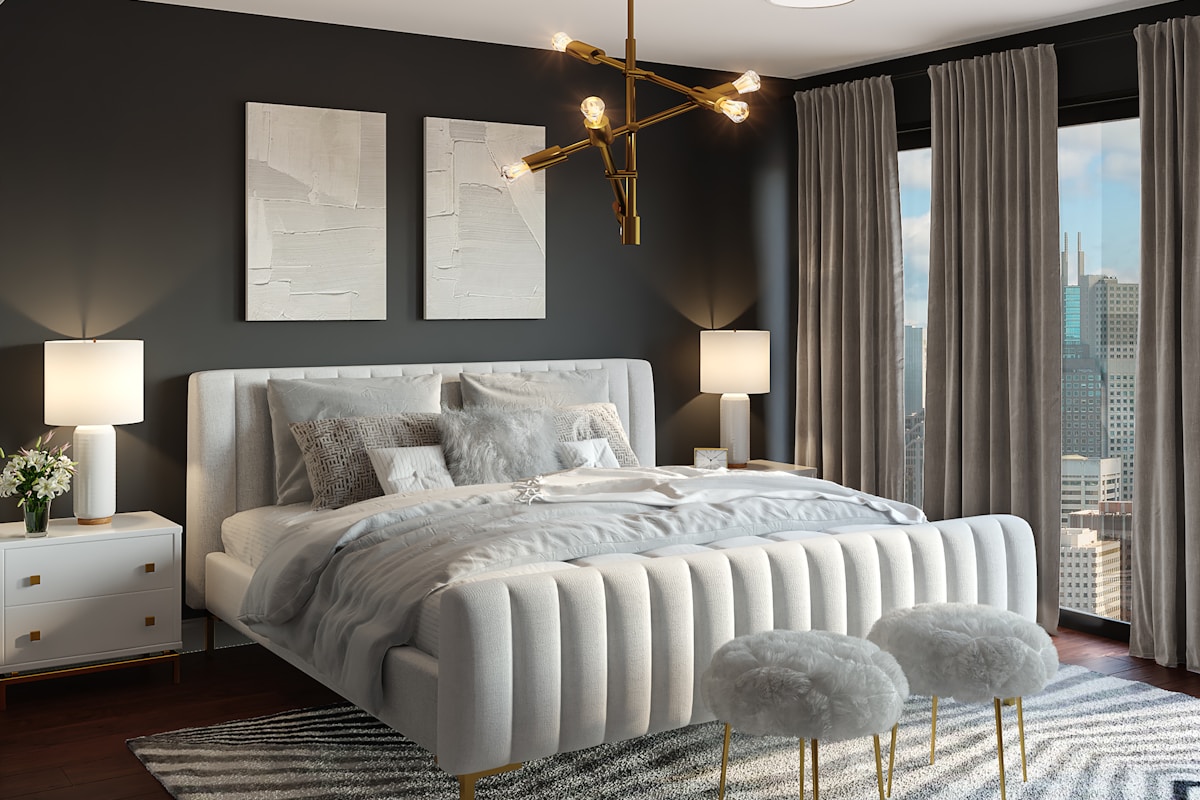
An aesthetic bedroom isn’t about spending thousands, it’s about creating a coherent visual story with lighting, textiles, and a few well-chosen statement pieces. The formula works the same for warm cottagecore, clean minimalism, and moody dark academia: pick a vibe, commit to a color palette, and layer textures.
Here are 25 ideas organized by aesthetic, with budget-conscious alternatives for every concept.
Cozy & Warm Aesthetic
1. Fairy Light Canopy
Drape warm-white fairy lights from the ceiling above the bed in a cascading canopy pattern. Use 3M Command hooks for damage-free installation. The soft glow replaces harsh overhead lighting and creates an instant mood shift.
Cost: $15-$25 for 2-3 strands of LED fairy lights.
2. Oversized Knit Throw Blanket
A chunky knit throw at the foot of the bed adds visual warmth and texture. Choose neutral tones (cream, taupe, sage) that complement rather than compete with the rest of the room.
Budget tip: IKEA’s INGABRITTA throw ($30) looks nearly identical to $200+ designer knit blankets.
3. Layered Earth-Tone Bedding
Replace your single comforter with a layered system: fitted sheet → flat sheet → lightweight quilt → duvet → throw at the foot. Use earth tones in descending warmth (darkest at the bottom, lightest on top) for visual depth.
4. Natural Wood Headboard
A live-edge or reclaimed wood headboard grounds the room in natural warmth. DIY option: mount a 1”×6” pine plank horizontally behind the bed and stain it in a warm walnut finish ($20 in lumber + $10 for stain).
5. Candle Cluster on the Nightstand
Group 3-5 candles of varying heights on a small tray. Use a mix of pillar and taper candles in cream and terracotta. LED flameless candles ($15 for a set) give the same visual effect without the safety concern.
Minimalist Aesthetic
6. All-White Bedding With One Accent Color
White linen bedding with a single accent color (dusty rose, sage green, or slate blue) in the throw pillows. This creates a high-end hotel look with minimal effort.
7. Floating Nightstands
Wall-mounted shelves as nightstands create the illusion of more floor space. A single 12”×10” floating shelf ($15-$20) holds a lamp, phone, and book without the visual weight of a full nightstand.
8. Single Statement Art Piece
Instead of a gallery wall (which can read as cluttered in a minimalist room), hang one large-format print or photograph above the bed. The ideal size is 60-70% of the bed’s width.
9. Hidden Storage
Minimalist rooms require hidden storage to maintain clean lines. Bed risers create under-bed storage space. A full-length mirror with hidden jewelry storage behind it serves dual purpose.
10. Floor-Level Bed Frame
A low-profile bed frame (6-8” off the floor) creates a grounded, intentional aesthetic that reads as deliberately minimal rather than “I don’t have furniture yet.”
Dark Academia Aesthetic
11. Moody Green or Navy Accent Wall
Paint one wall in a deep forest green (Benjamin Moore “Essex Green”) or navy (Farrow & Ball “Hague Blue”). Pair with warm wood furniture and brass accents for full dark academia.
12. Vintage Book Display
Stack vintage hardcovers on the nightstand, dresser, and in a small bookshelf. Thrift stores sell hardcover books for $1-$3 each. Remove dust jackets for a uniform, leather-and-cloth look.
13. Antique-Style Desk Lamp
A brass or bronze banker’s lamp with green glass shade is the quintessential dark academia fixture. Reproductions are available for $35-$50 on Amazon.
14. Plaid or Tartan Bedding
Deep-toned plaid (burgundy, hunter green, navy) channels British library aesthetics. Use as a duvet cover or accent throw rather than the entire bedding set to avoid overwhelming the room.
15. Gallery Wall of Botanical Prints
Framed botanical illustrations or classical art prints in dark wood or gold frames. Print your own from public domain collections (the Met Museum and Biodiversity Heritage Library offer free high-resolution downloads).
Cottagecore Aesthetic
16. Dried Flower Arrangements
Dried lavender, eucalyptus, and pampas grass in ceramic vases. These last 1-2 years without maintenance and add natural texture. A single pampas grass bouquet in a large floor vase creates a striking focal point.
17. Floral or Toile Bedding
Delicate floral patterns in muted tones (not bright, primary-colored florals). Look for “French country” or “English garden” prints for authenticity.
18. Wicker and Rattan Accents
A wicker basket for blanket storage, a rattan mirror frame, or a woven pendant light. These materials say “cottage” without requiring any permanent changes.
19. Lace Curtains
Sheer lace curtains filter light softly and create a romantic, aged atmosphere. Pair with a simple iron curtain rod in matte black or antique brass.
20. Vintage Tray as Nightstand Organizer
An antique silver or wooden tray on the nightstand corrals candles, jewelry, and small items. Thrift stores are the best source, $5-$10 for trays that look like they cost $50+.
Y2K / Retro Aesthetic
21. LED Strip Lights Behind Furniture
RGB LED strips behind the headboard, desk, or mirror create a colored ambient glow. Set to a single color (not rainbow cycling) for a curated look. Purple or warm pink are the most popular Y2K choices.
22. Mirror Wall or Mirror Tiles
A cluster of small mirrors in various shapes, or adhesive mirror tiles arranged in a grid. This creates both a Y2K vibe and makes the room feel larger.
23. Neon Sign
A custom or pre-made LED neon sign above the bed or desk. “Dream” and “Good Vibes” are overdone, choose something personal or unexpected for better results.
24. Shag or Faux Fur Rug
A fluffy white or pastel shag rug next to the bed softens hard floors and adds retro texture. Machine-washable faux fur rugs ($25-$40) are practical and stylish.
25. Cloud Ceiling
Cotton batting attached to a sheer canopy frame or directly to the ceiling with adhesive hooks. When backlit with fairy lights, it creates a dreamy cloud effect that photographs beautifully.
DIY cost: $10-$15 for cotton batting + $15 for fairy lights.
How to Choose Your Aesthetic
| If You Like… | Choose | Key Colors |
|---|---|---|
| Warmth and comfort | Cozy | Cream, taupe, terracotta |
| Clean and calm | Minimalist | White, light gray, single accent |
| Intellectualism and mood | Dark Academia | Forest green, navy, burgundy, brass |
| Nature and romance | Cottagecore | Sage, lavender, cream, natural wood |
| Bold and playful | Y2K | Purple, pink, chrome, neon |
The rule of three: Pick one primary aesthetic, then borrow 1-2 elements from a secondary aesthetic to add depth. Pure minimalism can feel cold, add one cozy element (the knit throw) to warm it up. Pure cottagecore can feel cluttered, add one minimalist principle (clear surfaces) to keep it polished.
Budget breakdown by aesthetic
What does each style actually cost to pull off from scratch? Here’s a realistic budget for converting a blank bedroom (white walls, basic furniture already in place) into each aesthetic:
| Aesthetic | Key purchases | Total cost |
|---|---|---|
| Cozy | Fairy lights ($20), knit throw ($30), layered bedding ($60–$100), candles ($15) | $125–$165 |
| Minimalist | White bedding set ($50–$80), floating shelf ($15), one art print ($20–$40) | $85–$135 |
| Dark Academia | Paint for accent wall ($35–$50), vintage books ($15–$25), banker’s lamp ($40), plaid throw ($25) | $115–$140 |
| Cottagecore | Dried flowers ($15–$30), floral bedding ($40–$60), wicker basket ($15), lace curtains ($20) | $90–$125 |
| Y2K | LED strip lights ($15–$25), neon sign ($30–$60), mirror tiles ($20), shag rug ($30–$40) | $95–$145 |
The cheapest entry point is minimalist, you’re mostly removing things rather than adding them. The most expensive is dark academia because the paint and vintage-look accessories add up, but thrift stores bring the book and lamp costs way down.
Common mistakes that ruin the aesthetic
A few things that undercut every style equally:
Overhead fluorescent lighting. No aesthetic survives under a bare ceiling fixture with a daylight bulb. Swap it for a warm-toned bulb (2700K) or bypass the overhead entirely with table lamps and string lights.
Mismatched bedding quality. A $200 velvet headboard next to a pilled polyester comforter from college creates a visible quality gap. The bedding is the largest surface in the room, invest there first, decorate second.
Too many small items. Five tiny succulents, eight mini frames, and a dozen trinkets scattered across every surface reads as clutter, not aesthetic. Group small items in clusters of three or five, and leave empty space between clusters.
Following trends too literally. The most recognizable Pinterest bedrooms are the ones nobody lives in. Skip the staged breakfast tray on the bed (you’ll never actually eat there) and the perfectly fanned stack of coffee table books on the nightstand (they’ll be on the floor by morning). Pick the elements that work for how you actually use the room.
Frequently Asked Questions
How do I make my bedroom aesthetic on a tight budget?
Start with what you already own. Rearrange furniture, declutter surfaces, and group existing items intentionally. Then add one or two statement pieces: a $20 string light set, a $15 thrift store vase, or a $30 throw blanket. Paint is the highest-impact budget move, one accent wall in a deliberate color costs under $50 in materials and changes the entire room.
What’s the most popular bedroom aesthetic right now?
As of early 2026, “warm minimalism” dominates, neutral tones (cream, sand, warm white) with natural wood and a few organic textures. It’s essentially a blend of minimalist structure with cozy warmth. Dark academia and cottagecore remain popular but are shifting toward subtler interpretations rather than the maximalist versions that peaked in 2023.
Can I mix two aesthetics in one room?
Yes, but pick a dominant one (70% of the room’s elements) and a secondary one (30%). Cozy + minimalist is the easiest blend. Dark academia + cottagecore share enough overlap (books, natural materials, warm tones) to coexist naturally. Y2K + cottagecore is the hardest combination, the materials and color palettes actively conflict.
How often should I change my bedroom aesthetic?
Changing bedding and small accessories seasonally (every 3–4 months) keeps the room fresh without major cost. Save paint and furniture changes for once a year or less. If you’re redecorating the entire room more than twice a year, you might be chasing trends rather than finding a style that actually suits you.
Video guide
Watch this helpful tutorial for a visual walkthrough:
Video by Simply By Christine on YouTube. \n## Sources
- IKEA, INGABRITTA Throw
- The Metropolitan Museum of Art, Open Access Images
- Biodiversity Heritage Library, Free Botanical Prints