How to arrange plants in your living room

Affiliate Disclosure: DecorDesignIdeas.com is a participant in the Amazon Services LLC Associates Program, an affiliate advertising program designed to provide a means for sites to earn advertising fees by advertising and linking to Amazon.com.
As an Amazon Associate, we earn from qualifying purchases. This comes at no extra cost to you.
Houseplants do three things for a living room: they add color and texture, they soften hard architectural lines, and some species genuinely improve air quality by filtering dust and volatile compounds. But placement matters — both for how the room looks and whether the plant actually survives.
Here are four common placement options, with specific plant picks for each.
Corners
For more on this topic, see our guide on Plant room ideas for every space.
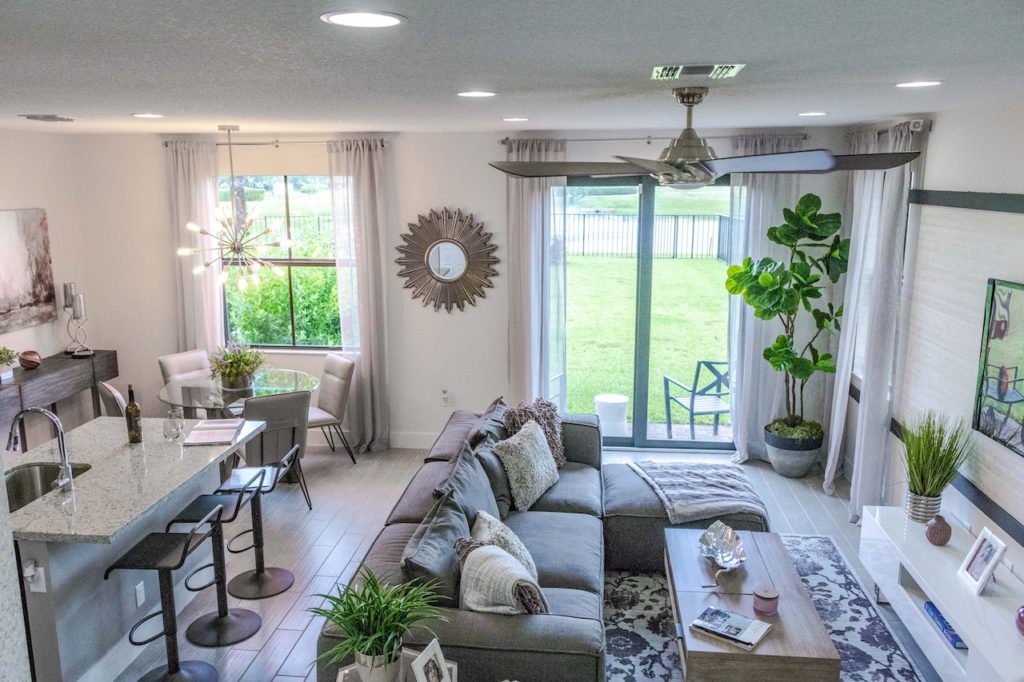
Empty corners are the easiest spot to fill because they do not compete with existing furniture. A single tall plant in a corner draws the eye upward and makes the ceiling feel higher.
For more on this topic, see our guide on How to arrange furniture in a small square room.
Best plants for corners:
- Fiddle leaf fig (Ficus lyrata): Needs bright indirect light. Gets 6-10 feet tall indoors. Dramatic broad leaves.
- Monstera deliciosa: Tolerates medium light. The split leaves create a layered, sculptural look.
- Snake plant (Sansevieria): Handles low light and infrequent watering. Good for dim corners away from windows.
A tall plant next to a sofa can work as a natural room divider, it breaks up the sightline without blocking movement through the space.
Styling tip: Place a plant in front of a floor-length leaning mirror to visually double the greenery without buying a second plant. The reflected foliage also adds depth to the corner.
Walls
Wall-mounted planters work well in rooms with limited floor space. Trailing plants like pothos, string of pearls, or philodendron look best in wall-mounted pots because the vines cascade downward naturally.
Practical considerations:
- Mount planters where dripping water will not damage floors or furniture, or use pots with built-in drainage trays
- Most wall-mounted plants need indirect light, so avoid walls that get no natural light at all
- Hanging planters from ceiling hooks is another option if you do not want to drill into walls
For a more structured look, use a vertical grid or ladder shelf against the wall and arrange several small pots at different heights. This creates a green accent wall without the commitment of a full living wall system.
Coffee table
The coffee table is prime real estate, so any plant you place there needs to be compact and low-maintenance. A tall, bushy plant will block sightlines and get knocked over.
Good picks for coffee tables:
- Small succulents (Haworthia, Echeveria): Stay compact, need minimal water, and come in interesting shapes and colors
- Air plants (Tillandsia): No soil needed, just mist them weekly
- Single-stem orchid: Adds height without bulk
Keep the plant proportional to the table. A 4-6 inch pot works for most standard coffee tables. Pair it with a small stack of books or a candle to fill the surface without cluttering it.
Avoid plants that drop leaves or need daily watering, the coffee table is high-traffic and nobody wants to deal with soil and water near remote controls and coasters.
Shelves
Shelves benefit from a mix of upright and trailing plants. The key is to treat the plant as one element in a curated arrangement, not the only item on the shelf.
What works on shelves:
- Trailing plants: Pothos, string of hearts, or creeping fig, let the vines drape over the shelf edge for a relaxed look
- Upright plants: Snake plant (compact variety), ZZ plant, or small rubber plant, these add vertical interest without outgrowing the shelf
- Tiny succulents: Fill gaps between books and objects
Light matters: Plants on upper shelves get more light; plants on lower shelves get less. Match the plant to its position, shade-tolerant species (pothos, ZZ plant) go lower, light-loving species (succulents, small ficus) go higher.
A simple rule: if the shelf gets fewer than 4 hours of indirect light per day, stick with pothos or snake plants. They are nearly impossible to kill in low light.
A quick matching guide
| Spot | Light needed | Best options | Avoid |
|---|---|---|---|
| Bright corner | High | Fiddle leaf fig, bird of paradise | Ferns (need humidity) |
| Dim corner | Low | Snake plant, ZZ plant | Succulents (will etiolate) |
| Wall mount | Medium | Pothos, philodendron | Heavy pots (secure mounting is critical) |
| Coffee table | Any | Succulents, air plants, orchids | Large or top-heavy plants |
| Upper shelf | Medium-high | Small succulents, trailing plants | Tall plants (limited headroom) |
| Lower shelf | Low-medium | Pothos, ZZ plant | Sun-loving species |
Common plant placement mistakes
- Blocking walkways: A large floor plant next to a doorway or between furniture creates an obstacle. Leave at least 24 inches of clear passage.
- Ignoring humidity: Tropical plants like ferns and calatheas struggle in dry living rooms. Group humidity-loving plants together or place them near the kitchen, where steam from cooking helps.
- Overwatering on hard floors: Water dripping from pots can damage hardwood and laminate. Use saucers, cache pots (a decorative outer pot with no drainage hole), or plant caddies with wheels.
- Forgetting about pets: Pothos, philodendron, and snake plants are mildly toxic to cats and dogs. If you have pets that chew plants, stick with spider plants, Boston ferns, or air plants, all are non-toxic according to the ASPCA.
Basic watering schedule
| Plant | Water frequency | Signs of overwatering | Signs of underwatering |
|---|---|---|---|
| Fiddle leaf fig | Every 7-10 days | Yellow lower leaves, mushy stem | Dry, curling leaf edges |
| Snake plant | Every 2-3 weeks | Soft, mushy base | Wrinkled leaves |
| Pothos | Every 7-10 days | Yellow leaves, soggy soil | Wilting, dry soil pulling from pot edge |
| ZZ plant | Every 2-3 weeks | Yellow stems, root rot | Leaf drop |
| Succulents | Every 10-14 days | Translucent, mushy leaves | Shriveled leaves |
General rule: Stick your finger 1-2 inches into the soil. If it feels dry, water. If it feels moist, wait. This works for nearly every houseplant and prevents the most common cause of indoor plant death, overwatering.
Related guides
- Plant room ideas, dedicated plant room design for serious collectors
- Natural bedroom ideas, bringing greenery into the bedroom
- Console table decor, styling a console table with plants as accents
Sources
- Pet-safe plant list: ASPCA Toxic and Non-Toxic Plants
- Houseplant light requirements: University of Vermont Extension, Indoor Plant Care
- Watering frequency guidelines: Based on indoor growing conditions (65-75°F, moderate humidity)
Bottom Line
Plant arrangement is about matching plant needs (light, water, humidity) to the available spots in your room, then grouping them for visual impact. Start with one large floor plant in a corner, add medium plants at varying heights using shelves or stands, and scatter small plants on surfaces. Group in odd numbers and vary the leaf shapes and textures for the most natural look.
Frequently Asked Questions
How many plants should I have in my living room?
Start with 3–5 plants in a standard living room. One large floor plant (like a fiddle leaf fig or monstera) anchors the space, 2–3 medium plants fill in, and a few trailing plants on shelves add layers. Avoid overcrowding, each plant needs room to grow and breathe.
What are the best low-light living room plants?
Pothos, snake plants, ZZ plants, and peace lilies all tolerate low light. These are ideal for rooms with north-facing windows or corners away from windows. They need watering only every 1–2 weeks, making them forgiving for beginners.
Where should I place large plants in a living room?
Large floor plants look best in corners, beside sofas, or flanking a fireplace. They fill dead space and draw the eye upward. Avoid placing them in walkways or directly in front of windows where they block natural light from reaching the rest of the room.