Natural bedroom ideas: outdoors

Affiliate Disclosure: DecorDesignIdeas.com is a participant in the Amazon Services LLC Associates Program, an affiliate advertising program designed to provide a means for sites to earn advertising fees by advertising and linking to Amazon.com.
As an Amazon Associate, we earn from qualifying purchases. This comes at no extra cost to you.
A bedroom designed around natural elements — wood, stone, plants, organic textiles — tends to feel calmer than one filled with synthetic materials and bright colors. Part of that is psychological (natural textures signal safety and rest), and part is physical (organic bedding breathes better, plants filter air, and warm light promotes melatonin production).
Here is how to build a nature-inspired bedroom, broken into the elements that matter most.
Plants that work in bedrooms
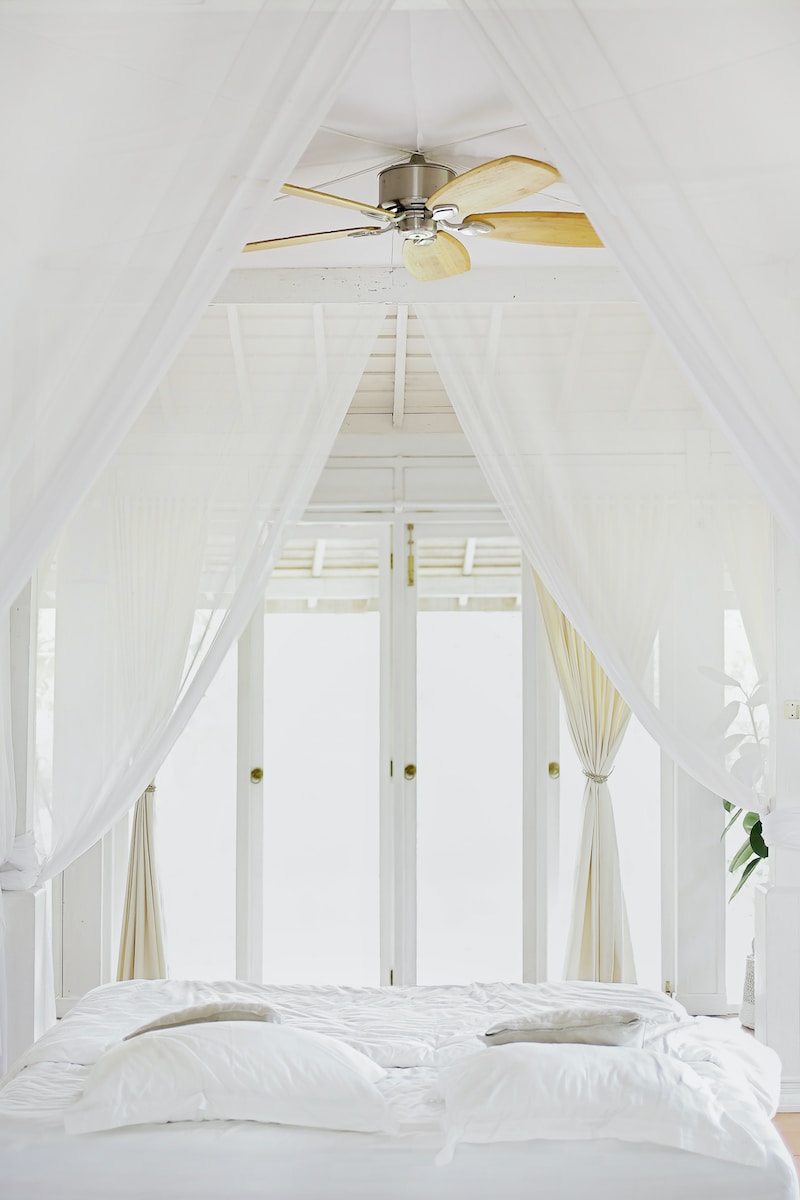
Not every houseplant is suited for a bedroom. You need species that tolerate low-to-medium light (most bedrooms do not get full sun) and release oxygen at night.
For more on this topic, see our guide on Cozy bedroom ideas: tones and textures.
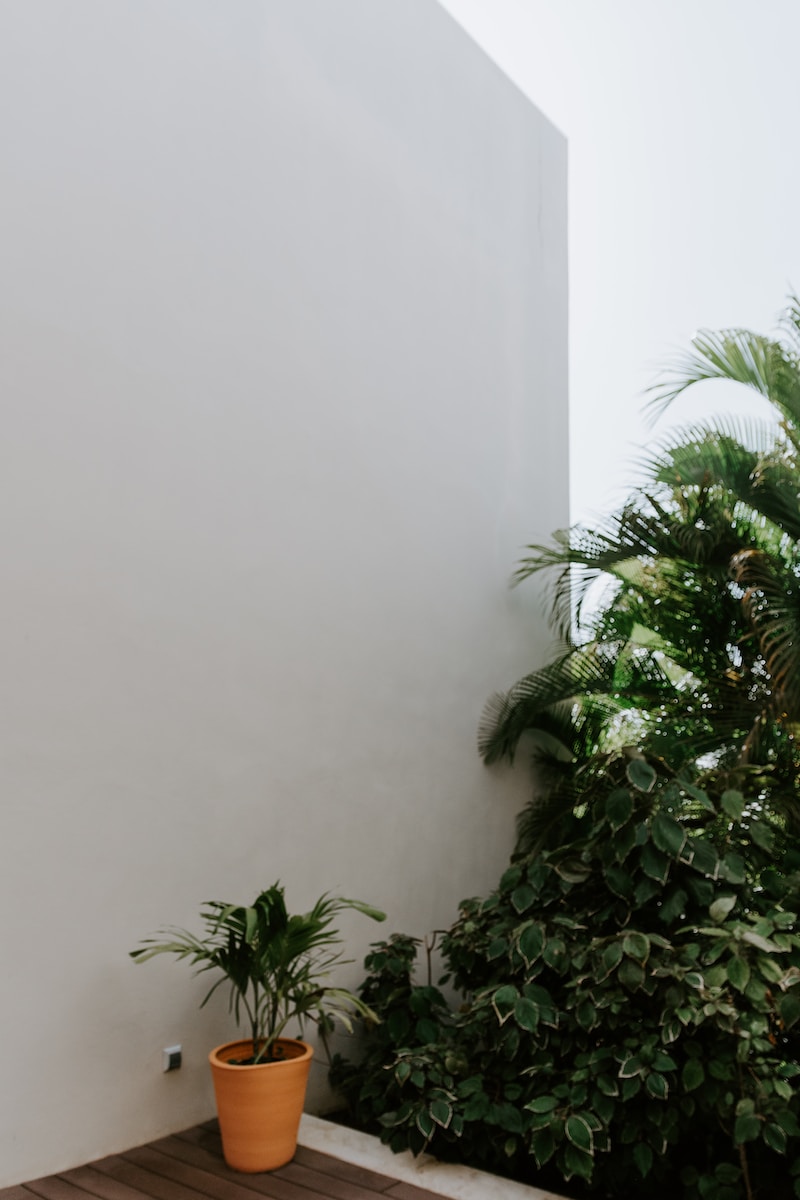
For more on this topic, see our guide on Bedroom color schemes that set the right mood for sleep and style.
Best picks:
- Snake plant (Sansevieria): One of the few plants that converts CO2 to oxygen at night. Handles low light and infrequent watering. Nearly impossible to kill.
- Pothos: Trailing vine that thrives in indirect light. Looks good on a high shelf or in a hanging planter.
- Peace lily: Tolerates shade, flowers in low light, and actively filters airborne toxins like formaldehyde and benzene.
- Fiddle leaf fig: Needs brighter light (near a window), but its large leaves create a dramatic focal point in a corner.
Placement tips:
- A tall plant (3-5 feet) in one corner adds height without furniture
- Trailing plants on a high shelf or hanging planter use vertical space
- A small succulent or air plant on the nightstand adds greenery without clutter
- Place all plants within 6 feet of a window for adequate indirect light
Earthy color palettes
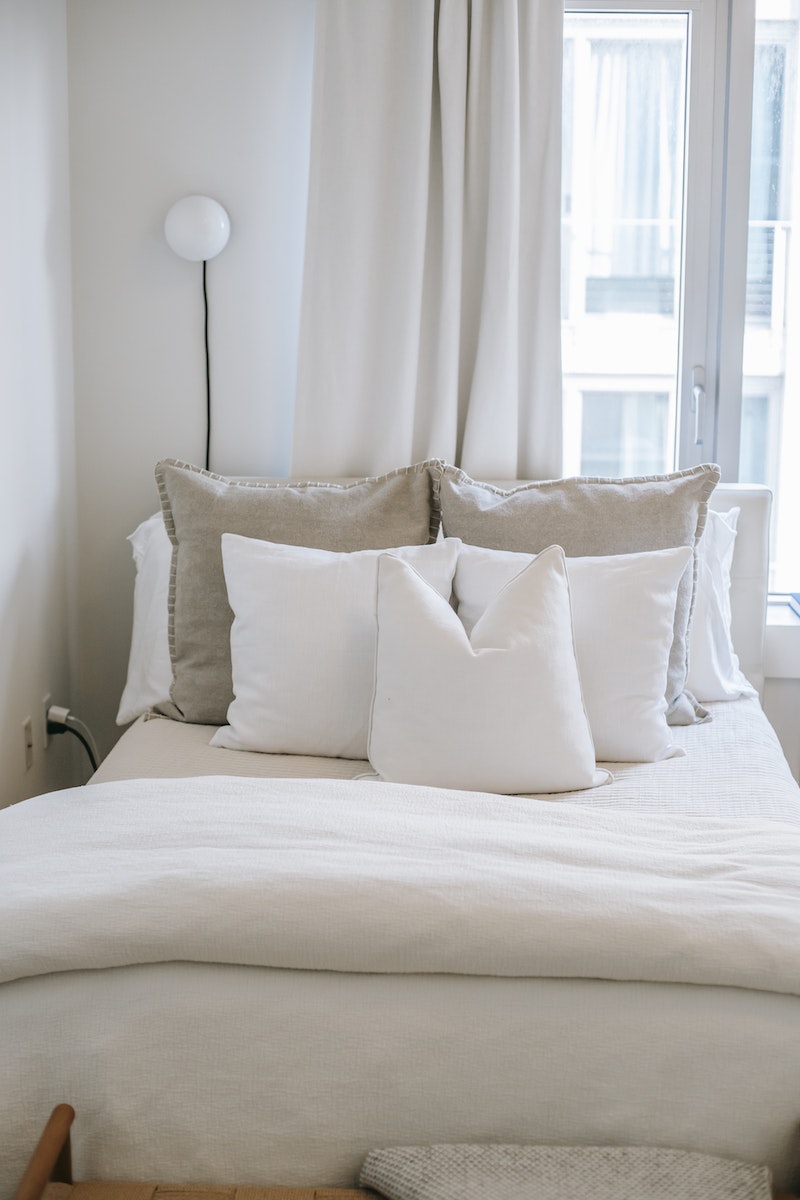
The best bedroom palettes for a natural feel stay within the warm neutral range. These colors complement wood and stone surfaces without competing with them.
Foundation colors (walls and large surfaces):
- Warm white, linen, or cream
- Soft greige (gray-beige)
- Light sage or muted olive
Accent colors (bedding, throws, pillows):
- Terracotta
- Ochre or mustard
- Burnt orange
- Dusty rose
What to avoid: Cool grays, stark whites, and high-contrast palettes, they create an office or hospital feel rather than a restful one.
Apply the 60-30-10 rule: 60% of the room in your base neutral (walls, floor, large furniture), 30% in a secondary tone (bedding, curtains, rug), and 10% in an accent (throw pillows, artwork, small objects).
Natural materials
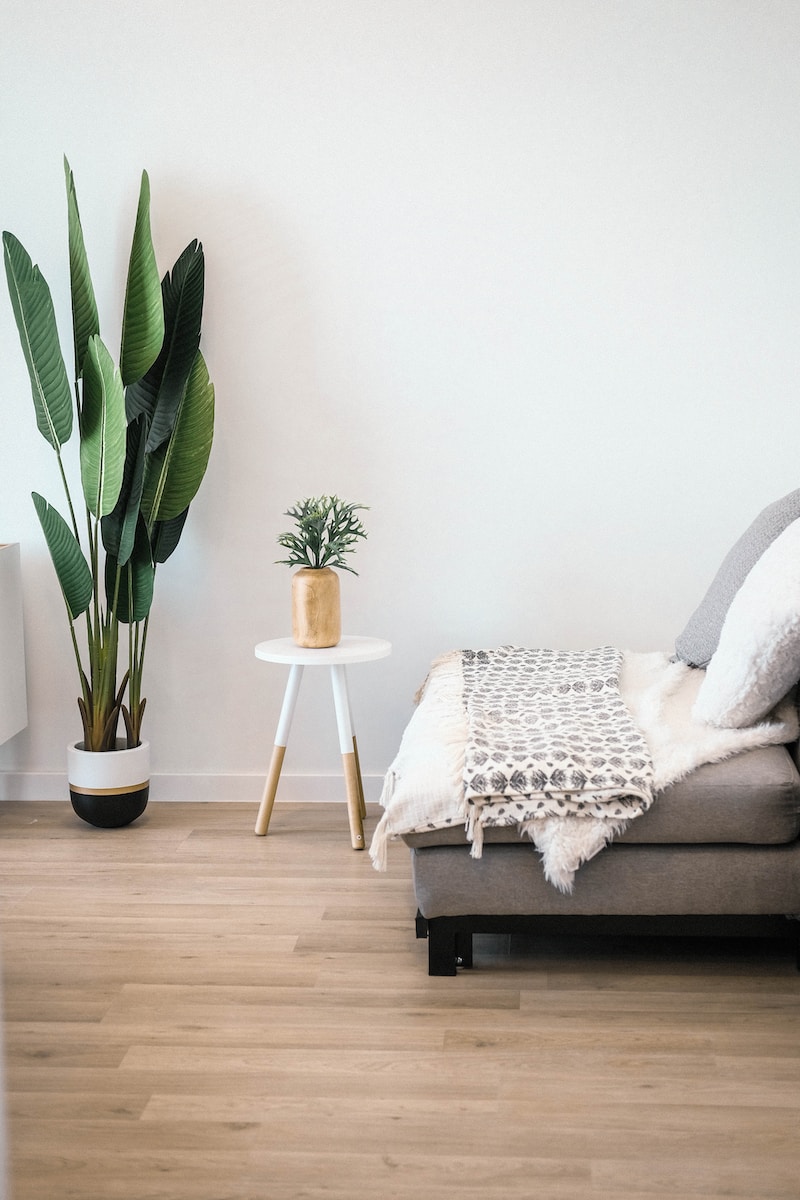
Swapping synthetic materials for natural ones is the change that has the biggest impact on how a bedroom feels.
Furniture
- Solid wood bed frame: Oak, walnut, or reclaimed wood. Avoid particle board or MDF veneers, they look flat and chip over time.
- Rattan or wicker accent pieces: A rattan nightstand, woven basket, or cane-back chair adds texture without visual weight.
- Stone or marble: A small side table or lamp base in travertine or marble adds a grounding, earthy element.
Bedding
- Linen sheets: Breathable, temperature-regulating, and they soften with every wash. More expensive than cotton ($80-$150 for a queen set) but worth the upgrade.
- Organic cotton: A good mid-range option ($40-$80). Look for GOTS-certified cotton for genuine organic sourcing.
- Wool throw blanket: Adds warmth and texture at the foot of the bed. Go for undyed or naturally dyed wool for the most organic look.
Accessories
- Jute or sisal rug: Adds warmth underfoot and grounds the bed visually. Layer over hardwood or under the bottom third of the bed.
- Linen or cotton curtains: Filter light softly. Avoid blackout blinds for the natural look, use layered curtains instead (sheer + heavier drape).
- Ceramic or stoneware vases: For dried flowers, pampas grass, or eucalyptus branches.
Maximizing natural light
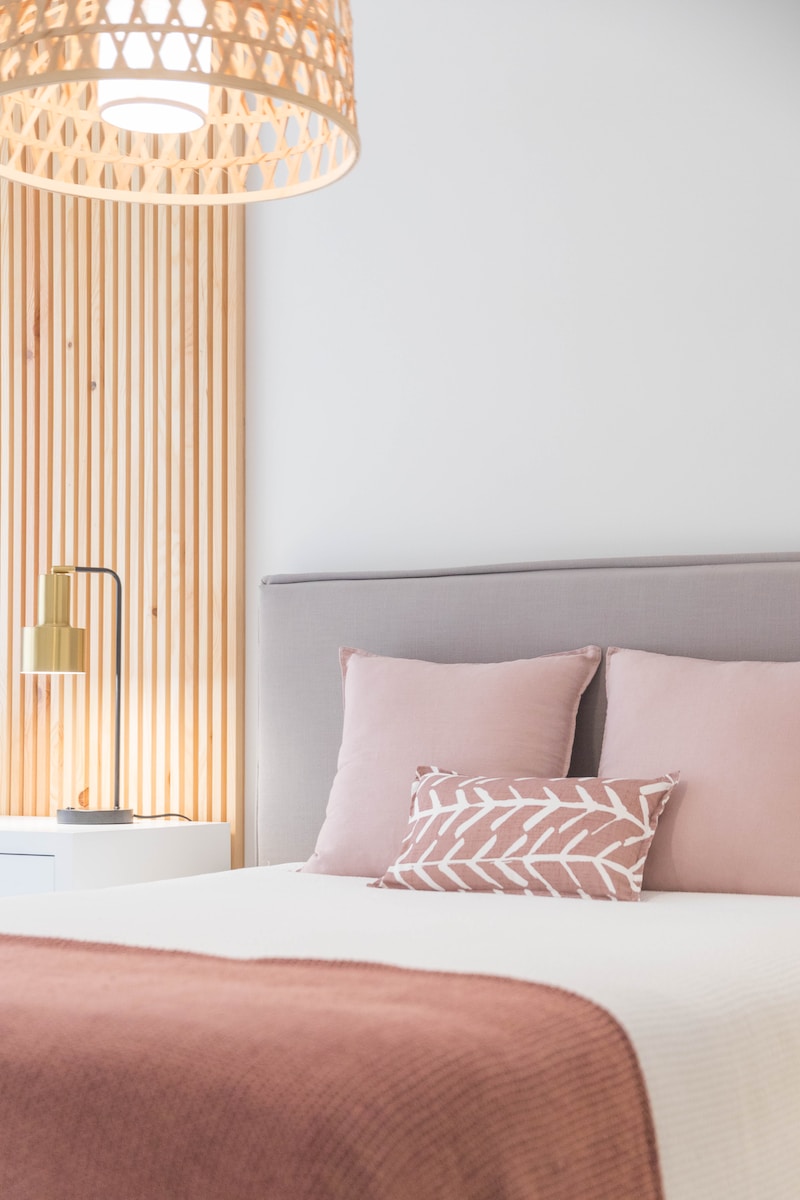
Natural light is the single most important element in a nature-inspired bedroom. No amount of wood and linen compensates for a dim, artificially lit room.
Window placement priorities:
- East-facing windows give warm morning light, ideal for waking up naturally
- South-facing windows provide the most daylight hours
- Mirrors placed opposite windows bounce light deeper into the room
Window treatments:
- Sheer curtains: Let in light while providing daytime privacy. White linen or cotton sheers are the classic choice.
- Layered curtains: Sheer panels for daytime, heavier linen drapes that pull closed at night. This combination gives you both natural light and darkness for sleep.
- No curtains at all: If your bedroom is private enough, bare windows maximize light. A simple wooden blind for nighttime is enough.
Putting it together: step by step

- Set your color palette, pick a warm neutral for walls and 2-3 accent colors from the earthy range
- Swap bedding first, linen or organic cotton sheets and a natural-fiber throw make the biggest immediate difference
- Add one or two plants, a snake plant in a corner and a small pothos on the nightstand
- Introduce natural textures, a jute rug under the bed, woven baskets for storage, ceramic vases
- Control the light, sheer curtains, mirrors positioned to reflect daylight, and warm-toned bedside lamps (2700K bulbs) for evening
- Personalize, a vintage find from a flea market, a framed photograph, a piece of driftwood, something that connects the room to your own experience rather than a catalog
Scent and air quality
Smell is one of the strongest sleep triggers, and natural scents work better than synthetic air fresheners (which often contain VOCs that reduce indoor air quality).
Eucalyptus bundles hung in the shower release fragrance when exposed to steam. Hang a fresh bundle ($5-$8) every two to three weeks. The leftover scent drifts into the bedroom.
Essential oil diffusers using real oils, not synthetic fragrance oils, are effective for about 4-6 hours per fill. Lavender, cedarwood, and chamomile are the most studied for sleep quality. A basic ultrasonic diffuser costs $15-$25. Run it 30 minutes before bed, then turn it off.
Cross-ventilation does more for air quality than any gadget. If your bedroom has two windows (even one window and a door), opening both for 10-15 minutes each morning flushes stale air and reduces CO2 levels that built up overnight. Studies show bedroom CO2 levels above 1,000 ppm, common in bedrooms with the door and windows closed, reduce sleep quality and next-day cognitive performance.
The cumulative effect of these changes is significant. Each element adds one layer of warmth and texture until the room feels fundamentally different from where it started.
Related guides
- Plant room ideas, creating a dedicated green space adjacent to the bedroom
- How to arrange plants in your living room, plant placement principles for any room
- Prayer room ideas, another calm, quiet space design approach
Sources
- Linen bedding pricing and certification: OEKO-TEX Standard 100
- Snake plant oxygen production study: NASA Clean Air Study
- Color temperature and melatonin: Harvard Health, Blue Light Has a Dark Side
Bottom Line
Bringing outdoor elements into a bedroom is about materials, not motifs. Real wood, linen bedding, stone accents, and actual plants create a nature-connected space far more effectively than printed leaf patterns or green paint. Start with bedding (linen or organic cotton) and one large plant, those two changes shift the entire room’s feel.
Frequently Asked Questions
What plants are good for a bedroom?
Snake plants and pothos are ideal because they tolerate low light and release oxygen at night. Peace lilies and spider plants also work well in bedrooms. Avoid plants with strong fragrances like jasmine, which can disrupt sleep for some people.
What colors make a bedroom feel natural?
Earthy tones: warm white, soft sage green, warm gray, light terracotta, and muted sand. Avoid bright or saturated greens, they look more ‘themed’ than natural. The goal is to mimic the muted palette you see in natural fields.
How do I make a bedroom feel like a retreat?
Layer natural textures: linen on the bed, a jute or wool rug on the floor, and wood on the nightstands. Remove electronics from bedside surfaces. Use warm-toned lighting (2700K bulbs) and add one or two plants. Keep surfaces uncluttered, the absence of visual noise is what makes a room feel restful.