Prayer room ideas for your home

Affiliate Disclosure: DecorDesignIdeas.com is a participant in the Amazon Services LLC Associates Program, an affiliate advertising program designed to provide a means for sites to earn advertising fees by advertising and linking to Amazon.com.
As an Amazon Associate, we earn from qualifying purchases. This comes at no extra cost to you.
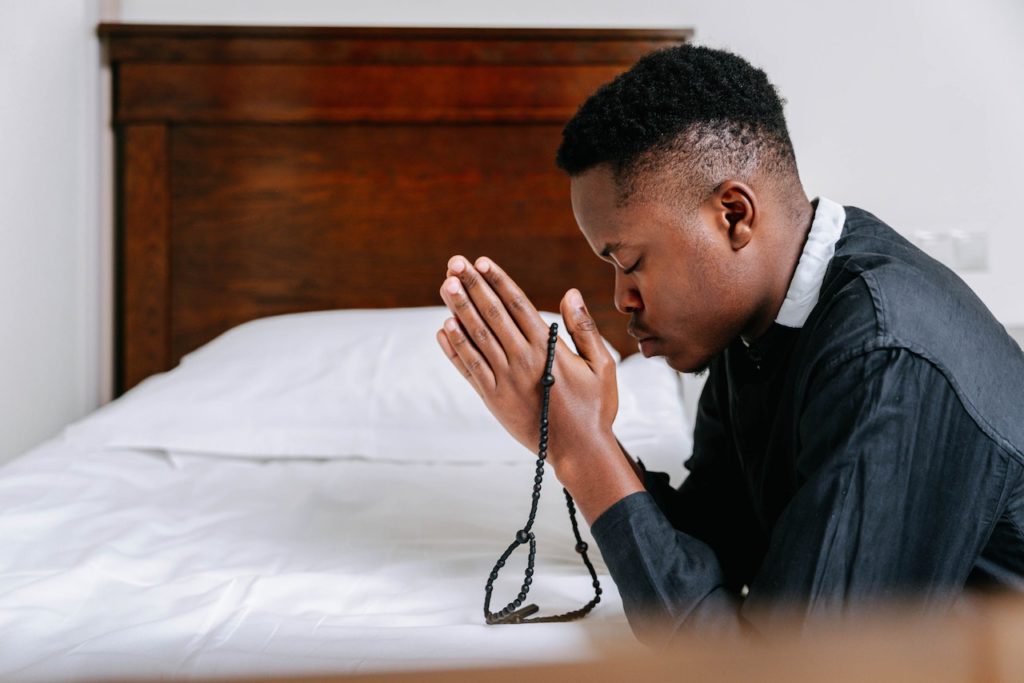
A prayer room gives you a consistent, distraction-free place to pray, meditate, or study scripture. It does not need to be a full room — a quiet corner, a closet, or a section of a bedroom works fine. What matters is that the space is intentional and separate from everyday activity.
Here is how to set one up, regardless of faith tradition or budget.
Choosing the space
For more on this topic, see our guide on Dining room wall decor ideas that actually make a difference.
The ideal spot is somewhere you can close a door or at least create a visual boundary from the rest of the house. Consider:
For more on this topic, see our guide on House design ideas to build your dream home.
- Spare rooms or walk-in closets: Best option if available. Even a 5x5 closet works when furnished simply.
- A corner of a bedroom: Use a room divider, bookshelf, or curtain to separate the prayer area from the sleeping area.
- A quiet hallway nook: If you do not have a spare room, an unused alcove can work with a small bench or cushion.
Avoid high-traffic areas. A prayer space next to the kitchen or playroom will constantly compete with household noise.
Wall color: Soft, muted tones, warm white, light sage, pale blue, or sand, are calming without being distracting. If your faith tradition associates specific colors with worship (green in Islam, white in many Christian traditions), those work well too.
Furniture
Keep it minimal. A prayer room needs a place to sit or kneel, and a surface for books or objects, not much else.
Seating options:
- Prayer bench or kneeler: A folding prayer bench takes up almost no space when stored and provides proper posture for kneeling prayer. Solid wood versions run $50-$150.
- Floor cushion or zafu: A thick meditation cushion works for seated prayer. $20-$40 for a quality cushion.
- Simple chair: A straight-backed chair without arms is enough for those who do not kneel. A padded seat helps for longer sessions.
Prayer rug (sajjada): For Muslim prayer, a dedicated rug oriented toward qibla is essential. Traditional Turkish or Persian prayer rugs range from $15-$80.
Small table or shelf: A narrow shelf or side table holds a Bible, Quran, Torah, prayer book, rosary, or other devotional items. A 12-inch floating shelf mounted at seated eye level keeps things within reach without cluttering the floor.
Decorations
Decorations in a prayer room should support focus, not compete for your attention. Less is more here.
Faith-specific items:
- Christian: A cross or crucifix, an icon, a framed scripture verse
- Muslim: Calligraphy of Quranic verses, an image of the Kaaba, prayer beads (misbaha)
- Jewish: A menorah, a framed Hebrew blessing, a small bookshelf for Torah study
- Multi-faith or non-denominational: Natural elements, stones, dried flowers, a small water feature
Natural objects: A bowl of smooth stones, a piece of driftwood, a small plant, or a vase of dried flowers can bring calming, organic texture to the room.
What to avoid: Too many items on the walls, bright or busy patterns, or anything that pulls your mind away from prayer. This is a room designed for stillness.
Lighting
Lighting sets the mood in a prayer room more than any other single element.
Natural light: If the room has a window, let it be the primary light source during the day. Sheer curtains filter sunlight into a soft glow without dimming it completely.
Ambient light for evening prayer: Warm-toned LED candles or a small table lamp with a dimmer switch. Avoid overhead fluorescent lighting, it is harsh and clinical.
Candles: Real candles add warmth and ritual to the space. If open flame is a concern, battery-operated flickering candles provide a similar effect safely.
Backlit panels: Some prayer rooms use LED panels behind a translucent screen to simulate a skylight effect. These are available online for $30-$80 and create soft, even light.
Sound (optional): A small Bluetooth speaker for ambient music, chanting, or nature sounds can deepen the meditative atmosphere. Keep the volume low, it should be background, not the focus.
Putting it together
A simple prayer room setup:
| Element | Budget option | Mid-range option |
|---|---|---|
| Seating | Floor cushion ($25) | Folding prayer bench ($100) |
| Surface | Floating shelf ($15) | Small side table ($40) |
| Lighting | LED candles ($10) | Table lamp with dimmer ($35) |
| Decoration | Framed verse + stones ($15) | Icon/calligraphy + small plant ($40) |
| Total | ~$65 | ~$215 |
The most important quality of a prayer room is that it is free from distraction, not that it is expensive or elaborately decorated. A quiet corner with a cushion and a candle serves the purpose just as well as a furnished room.
Building a daily routine
A prayer room works best when you use it consistently. A few practical suggestions:
- Same time daily: Early morning and evening are the most common prayer times across traditions. Attach your prayer time to an existing habit (before coffee, after dinner) to make it stick.
- Phone outside: Leave your phone in another room or in airplane mode. Even a face-down phone with notifications off pulls your attention.
- Start short: Five minutes of focused prayer is more valuable than thirty minutes of distracted prayer. Build the habit first, then extend the duration.
- Journal nearby: Keep a small notebook in the prayer room for recording impressions, gratitudes, or intentions. Writing after prayer helps process what surfaced during quiet time.
Acoustic considerations
Sound insulation improves the quality of your prayer time:
- Soft surfaces absorb sound: A rug on the floor, a curtain over the door or window, and a cushion on the seat all reduce ambient noise from the rest of the house.
- White noise: A small tabletop fountain ($15-$30) provides gentle water sounds that mask household noise. Alternatively, a white noise machine or phone app works.
- Door seal: A simple draft stopper ($5-$10) under the door blocks sound more effectively than a gap.
- Time your sessions: Early morning before the household wakes or late evening after bedtime routines are the quietest times in most homes.
Related guides
- Natural bedroom ideas, creating calm spaces with organic materials and soft lighting
- How to arrange plants in your living room, adding calming greenery to quiet spaces
- Bathroom ceiling ideas, ceiling treatments for small enclosed rooms
- Reading nook ideas, another cozy personal-purpose space
- Home office decor ideas, designing productive personal rooms
Sources
- Prayer bench and rug pricing: Amazon and specialty liturgical supply retailers (February 2026)
- Meditation space design principles: The Spruce, How to Create a Meditation Space
- Sound insulation basics: Acoustical Society of America
Bottom Line
A prayer room does not need to be large or elaborate. A quiet corner with a comfortable seat, soft lighting, and personal spiritual items creates a functional prayer space. The most important design choice is location, pick the quietest spot in your home, away from household traffic and electronics. Everything else is personal preference.
Frequently Asked Questions
How do I set up a prayer room at home?
Choose a quiet space, a spare bedroom, a walk-in closet, or a quiet corner. Add a comfortable seat (cushion, kneeling pad, or chair), soft lighting (a lamp or candles), and your personal spiritual items. Keep the space uncluttered and free of distractions like screens.
What colors are best for a prayer room?
Calming, neutral colors: soft white, warm beige, pale blue, or sage green. Avoid bright or stimulating colors. The goal is a peaceful atmosphere that reduces distractions and encourages focus and reflection.
Can a prayer room double as another space?
Yes. Many people use a reading nook or guest room corner as a prayer space. Use a small folding screen or curtain to visually separate the area when it is in use. A portable meditation cushion and a small table for sacred items are all you need to create a temporary dedicated space.