Kitchen backsplash ideas on a budget

Affiliate Disclosure: DecorDesignIdeas.com is a participant in the Amazon Services LLC Associates Program, an affiliate advertising program designed to provide a means for sites to earn advertising fees by advertising and linking to Amazon.com.
As an Amazon Associate, we earn from qualifying purchases. This comes at no extra cost to you.
Kitchen backsplash ideas on a budget
A standard kitchen backsplash covers about 30 square feet. Professional tile installation runs $15–$25 per square foot. That puts the total somewhere between $450 and $750 before you pick out grout.
For more on this topic, see our guide on How to decorate above kitchen cabinets.
You can get a finished backsplash for under $200 if you handle the install yourself and choose the right material. Here are five options that work, what they actually cost, and where each one falls short.
For more on this topic, see our guide on Small deck ideas that work on a budget.
Five budget backsplash options compared
| Material | Cost per sq ft | DIY difficulty | Durability | Best for |
|---|---|---|---|---|
| Painted finish | $1–$3 | Easy | 2–4 years | Renters, quick refresh |
| Peel-and-stick tile | $4–$8 | Easy | 3–5 years | Renters, pattern lovers |
| Beadboard panels | $2–$10 | Moderate | 5–8 years | Farmhouse, cottage style |
| Laminate sheets | $3–$7 | Moderate | 5–10 years | Modern, clean look |
| Sheet metal | $5–$12 | Hard | 10+ years | Industrial, commercial |
1. Painted backsplash , the $50 option
A painted backsplash costs less than dinner for two. You need semi-gloss or satin enamel paint, a roller, painter’s tape, and about three hours.
What works: Solid colors look clean. Stenciled geometric patterns can mimic expensive Moroccan tile for a fraction of the cost. Chalkboard paint behind the stove gives you a functional writing surface.
What to watch for: Regular latex paint will peel in wet areas within a year. Use a kitchen-rated washable paint or tile epoxy paint. Prep the surface with TSP cleaner and a bonding primer. Skip this step and you’ll be repainting in six months.
Total cost for 30 sq ft: $30–$90
2. Peel-and-stick tile , the renter’s best friend
Peel-and-stick tiles have improved dramatically. The newer 3D textured versions genuinely look like real subway tile or marble mosaic from a few feet away.
What works: Installation takes 2–4 hours. No grout, no thin-set, no mess. You can install them over existing tile as long as the surface is clean and flat. They peel off when you move out.
What to watch for: Cheap versions look cheap , spend at least $5 per square foot to get realistic textures. Heat is the enemy. Behind a gas stove, adhesive can soften and tiles may slide. Use a heat-resistant brand rated for stove-adjacent areas. Surface prep matters: degrease with rubbing alcohol before applying.
Total cost for 30 sq ft: $120–$240
3. Beadboard panels, the farmhouse classic
Beadboard gives you vertical texture and a warm, cottage feel. MDF beadboard panels come in 4×8 sheets that you cut to size and nail or glue to the wall.
What works: Paint it any color you want. White beadboard brightens a dark kitchen. Navy or sage beadboard adds unexpected character. The grooved texture catches light in a way flat surfaces cannot.
What to watch for: Those grooves collect grease and splatter. Cleaning requires a brush, not just a wipe. Wood-based beadboard needs proper sealing in wet areas, use a marine-grade polyurethane near the sink. MDF swells if water sits on it.
Total cost for 30 sq ft: $60–$300
4. Laminate sheets, the clean option
Countertop laminate works as backsplash material. It comes in sheets you cut to fit, attach with contact cement, and trim with a router. The result is a smooth, grout-free surface that wipes clean instantly.
What works: Laminate now comes in convincing stone, marble, and concrete finishes. No grout lines means no grout maintenance. The surface resists water better than most alternatives on this list.
What to watch for: Seams are visible where sheets meet. You need a perfectly flat wall, bumps telegraph through laminate. Sharp knives or hot pans pressed against it will leave marks. Not the most forgiving DIY project for beginners.
Total cost for 30 sq ft: $90–$210
5. Sheet metal, the industrial pick
Stainless steel, copper, or aluminum sheet metal creates a professional kitchen look. Cut the sheets with tin snips, attach with construction adhesive, and seal the edges with silicone caulk.
What works: Sheet metal is virtually indestructible. It handles heat, water, grease, and cleaning products without flinching. Brushed stainless pairs well with dark cabinets. Copper develops a patina over time.
What to watch for: Cutting sheet metal requires tin snips and gloves, edges are sharp. Fingerprints show on polished finishes. Stainless steel sheets can warp if not adequately backed. This project needs patience and careful measurement.
Total cost for 30 sq ft: $150–$360
Which one should you pick?
If you’re renting: Peel-and-stick tile. It removes cleanly and costs less than your security deposit. It is also a core element of general renter styling; see our guide on apartment decorating ideas on a budget for more ways to make rentals look high-end.
If you want the cheapest option: Painted backsplash with tile epoxy paint. Total cost under $100.
If you want durability on a budget: Laminate sheets. They last a decade with minimal upkeep.
If you love the farmhouse look: Beadboard panels. Just seal them properly near the sink.
If you want something permanent: Sheet metal. Higher upfront cost, but you’ll never replace it.
Video guide
Watch this helpful tutorial for a visual walkthrough:
Video by Cozy DIY Home on YouTube.
Installation tips that apply to all five
- Clean the wall with TSP or degreaser before starting. Grease kills adhesion.
- Remove outlet covers and extend the backsplash behind them for a finished look.
- Cut material slightly oversized, then trim to fit. Gaps at edges get covered by caulk.
- Use silicone caulk (not latex) where the backsplash meets the countertop. Silicone stays flexible and waterproof.
- Work from the center outward for symmetrical patterns. Start from the bottom for vertical installations.
The best budget backsplash is the one you actually install. Pick a material that matches your skill level, order 10% extra for mistakes, and set aside a Saturday morning. Your kitchen will look different by lunch.
Bottom Line
A new backsplash is one of the fastest kitchen upgrades you can do. Peel-and-stick tiles install in an afternoon with no tools beyond a utility knife. If you want something permanent, subway tile and grout cost $2–$4 per square foot and last decades. Either way, the backsplash area is small enough that even premium materials stay affordable.
How to measure your backsplash area
Getting the measurement right saves money , you don’t want to overbuy expensive peel-and-stick tile or underbuy and end up with mismatched dye lots from a second order.
- Measure the length of each wall section that needs a backsplash. Include the area behind the stove and the section between the sink and the upper cabinets.
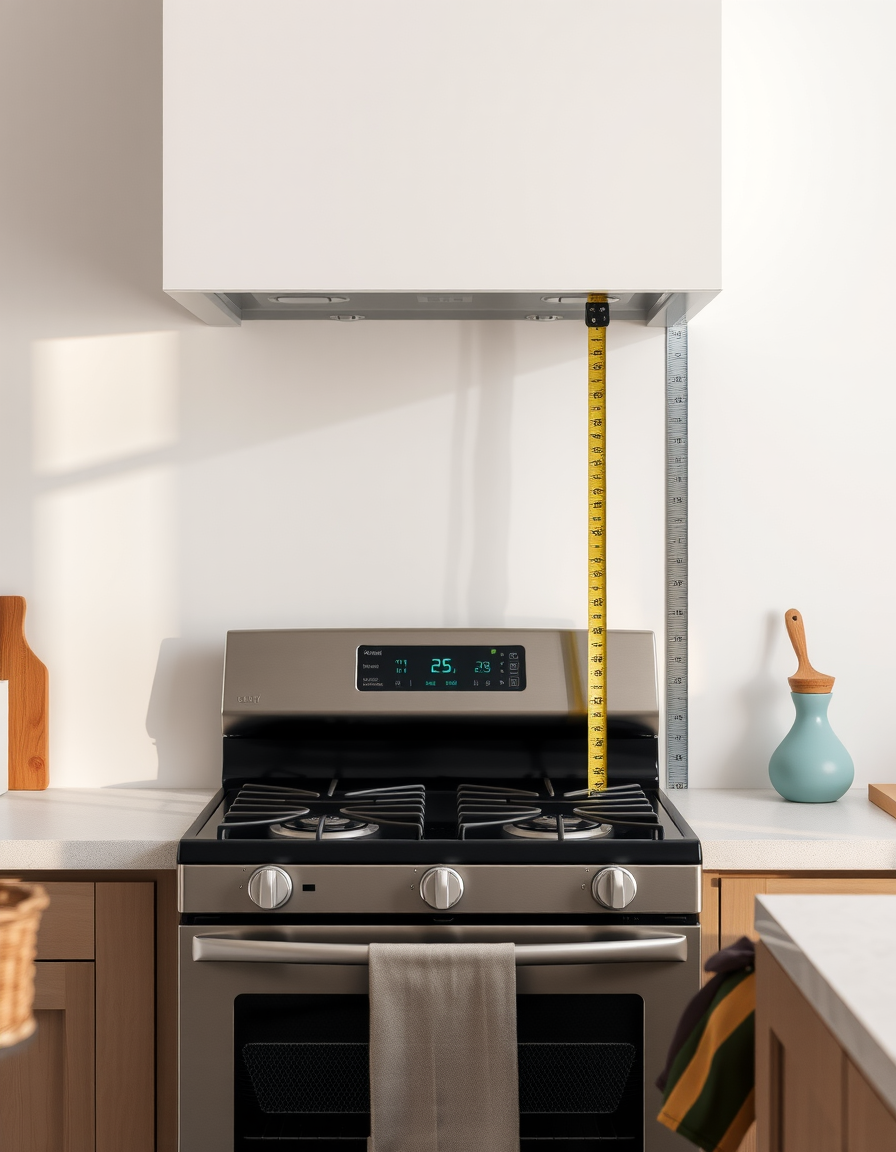
- Measure the height from countertop to upper cabinets (typically 15–18 inches). Behind the stove, measure from the countertop to the range hood bottom.
- Multiply length by height for each section, then add them together.
- Subtract outlets and window openings , measure each and subtract from the total.
- Add 10–15% for cuts, mistakes, and waste. Patterned materials need more waste allowance (15%) because you’re matching patterns at seams.
A typical L-shaped kitchen with 30 square feet of backsplash area at $5 per square foot for peel-and-stick tile works out to $150 in materials plus $15–$22 for the waste buffer. That’s the kind of number that makes this a weekend project instead of a multi-thousand-dollar contractor job.
Real-world durability: what holds up and what doesn’t
Budget backsplash materials get marketed with optimistic durability claims. Here’s what actually happens after a year of daily cooking:
Painted backsplash: Holds up fine away from the stove. Behind the stove, grease splatter and steam cause peeling within 6–12 months even with epoxy paint. Plan to touch up the stove area annually, or accept a slightly worn look.
Peel-and-stick tile: Quality brands (Art3d, Tic Tac Tiles) stay adhered for 3–5 years in moderate kitchens. Heavy cooking with frequent steam exposure loosens adhesive faster. The edges peel first, run a bead of clear silicone caulk along the top and bottom edges after installation to extend the lifespan.
Beadboard: Properly sealed beadboard lasts 5–8 years without issues. The failure point is always moisture near the sink. Marine-grade polyurethane on the bottom 6 inches prevents swelling. Repaint every 2–3 years to keep it looking sharp.
Laminate: Surprisingly durable. Laminate sheets resist moisture, stains, and daily cleaning with no degradation for 5–10 years. The weak point is seams, if water gets behind the laminate at a seam, it can delaminate. Seal every seam with silicone.
Sheet metal: Functionally permanent. Stainless and aluminum don’t degrade from kitchen use. The only maintenance is polishing fingerprints off stainless (or choosing a brushed finish that hides them). Copper develops a patina, some people love it, some hate it. You can seal copper to prevent patina if you prefer the original shine.
Sources
- This Old House, Kitchen backsplash ideas
- Bob Vila, Budget-friendly backsplash options
- Art3d, Peel and Stick Tile Installation Guide
Frequently Asked Questions
What is the cheapest backsplash option?
Peel-and-stick vinyl tiles are the cheapest at $1–$3 per square foot. They require no grout, no tools, and install in 1–2 hours. The trade-off is durability, they last 3–5 years before needing replacement, compared to decades for ceramic tile.
Can I put a backsplash over existing tile?
Yes, if the existing tile is flat and well-adhered. Peel-and-stick tiles go directly over clean, degreased old tile. For a permanent option, you can tile over tile using a thin-set mortar, but the added thickness may interfere with outlets and countertop edges.
How far up should a kitchen backsplash go?
Standard backsplash height is 4 inches (just above the countertop), but full-height backsplashes (from countertop to upper cabinets, typically 15–18 inches) are now the standard for modern kitchens. Full-height looks more finished and protects more wall area from grease splatter.
Do peel-and-stick tiles work behind a stove?
They can, but heat softens adhesive. Look for peel-and-stick tiles specifically rated as heat-resistant (up to 200 degrees F). Even heat-rated tiles shouldn’t go directly behind a gas burner where open flame can reach the wall, that area needs metal or ceramic. For electric and induction stoves, heat-rated peel-and-stick works fine.