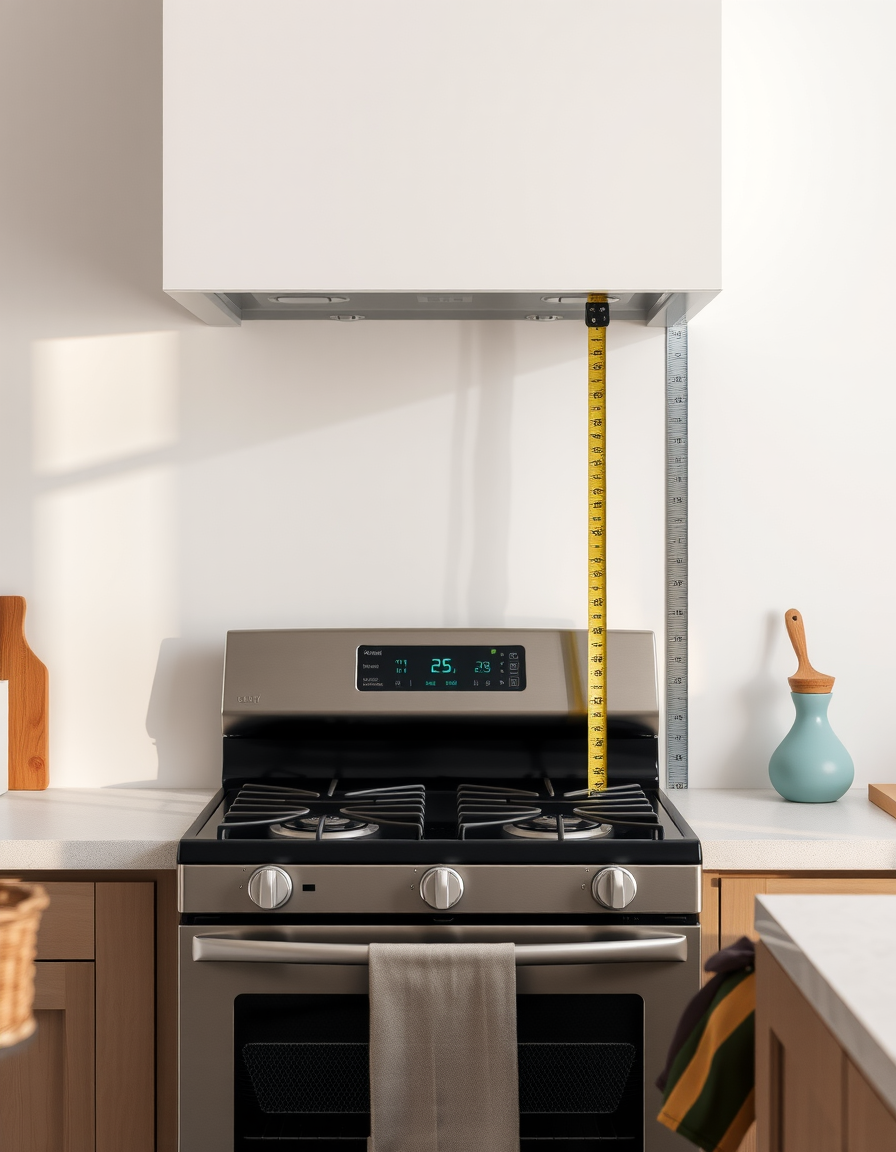
Small kitchen storage hacks

Affiliate Disclosure: DecorDesignIdeas.com is a participant in the Amazon Services LLC Associates Program, an affiliate advertising program designed to provide a means for sites to earn advertising fees by advertising and linking to Amazon.com.
As an Amazon Associate, we earn from qualifying purchases. This comes at no extra cost to you.
Small kitchen storage hacks that actually work
Small kitchens don’t lack space. They lack a decision about what earns a home. A 100-square-foot kitchen can work if the counters stay clear and the cabinet interiors stop being single-shelf caves. DecorDesignIdeas Editorial compares retailer product categories, BHG and The Kitchn organization write-ups, and renter threads. We do not inventory anyone’s cabinets, and we do not invent a “40% wasted” statistic for a box we have not measured.
The leftover air above a stack of plates is unused height. That is the real problem. A riser uses it. A second set of “organizers” on a still-cluttered counter does not.
Above-cabinet styling (the stuff you should not store if you need it weekly) is in how to decorate above kitchen cabinets. Light that can actually hit a cleared counter is in kitchen lighting guide. Seasonal overflow that should leave the kitchen is in seasonal decor ideas for small spaces.
Listing check: knife-strip, riser, and over-sink-rack links are tagged Amazon searches we use to compare listed length and weight. We are not restating Amazon “doubles your space” copy. Measure the cabinet opening and the fridge gap before you click.
Before you buy another organizer
Do the counter audit first. If the toaster, mixer, and a fruit bowl still live on 12 square feet of counter, a $40 rack will not save the room.
- Empty one cabinet onto the table. If you have not used an item in 90 days and it is not holiday-only, it leaves the kitchen.
- Measure the opening, not the cabinet face. Width, height, and the pipe or hinge that steals a corner.
- Measure the fridge-to-wall gap with the fridge door at 90 degrees. A slim cart that fits the gap still fails if the door hits it.
- Read the wall. Drywall takes different anchors than tile. A magnetic strip over a gas range collects grease and is a heat problem.
- Check the lease. Drilling tile or adding a pegboard is a deposit conversation. Command-style hooks have a printed weight line; stay under it.
When to skip the hack
| Hack | Typical spend | Do it when | Skip it when |
|---|---|---|---|
| Counter audit | $0 | You still park appliances you use weekly, not daily | You already live with a clear counter and a knife strip |
| Shelf risers | $8–$15 | Cabinets have one shelf and a stack of plates with air above | The riser is taller than the cabinet opening |
| Magnetic knife strip | $10–$20 | You have a clear wall stretch away from the range | Kids can reach it, or the only wall is over the stove |
| Pegboard / rail | $15–$40 | You can hit studs or use rated tile anchors | 7-foot-8 ceiling and a hanging pot rack over the walkway |
| Fridge-gap cart | $25–$50 | Gap is a true 6+ inches with the door open | The cart blocks the fridge door or the dishwasher |
| Toe-kick drawer | $30–$80 | You are comfortable cutting a cabinet and adding slides | Rental, or the only how-to you have is a 15-second clip |
| Over-sink drying rack | $20–$40 | The sink span is flat and you measured the faucet height | A high-arc faucet will not clear the shelf |
Zone 1: Countertop — clear it or lose it
Counter space in a small kitchen is real estate. Every item on it needs to be used daily. Everything else goes in a cabinet, on a wall, or out of the kitchen.
The counter audit
Keep on the counter: coffee maker, knife block or the strip that replaces it, dish soap, one utensil crock. That is the usual set.
Move off the counter: toaster (cabinet shelf), stand mixer (lower cabinet), paper towels (wall or under-cabinet mount), fruit (hanging basket if you actually eat it).
Hack 1: Under-cabinet appliance shelf. A small shelf under the uppers can hold a toaster. Cost: $15–$30, or free if a leftover board is already the right depth. Confirm the appliance will not trap heat against the cabinet bottom.
Hack 2: Magnetic knife strip. Replaces the block. Frees a rectangle of counter. Cost: $10–$20. Browse magnetic knife strips by listed length and stated hold. Mount into a stud or use the anchors the carton names. Keep it off the range wall.
Hack 3: Sink-cover cutting board. A board that sits on the sink rim adds a prep square while the sink is empty. About $20–$40, or a thick plastic board cut to the rim. Measure the faucet swing. A board that does not sit flat is a knife accident.
Zone 2: Cabinet interiors, use the height
A single shelf with a stack of bowls and a cloud of unused air is the usual cabinet. You do not need a percentage to see it. You need a second tier or a divider.
Hack 4: Shelf risers. Metal or plastic risers make a second deck. Plates below, bowls on the riser. Cost: $8–$15 for a pair. Browse cabinet shelf risers and compare listed width to the opening, not the Amazon crop.
Hack 5: Over-the-door cabinet organizers. The inside of the door holds lids, spices, or boards. Cost: $10–$20. Check hinge clearance. A rack that hits the shelf is dead weight.
Hack 6: Lazy Susan in corner cabinets. Corner bases bury the back row. A two-tier turntable brings it forward. Cost: $15–$35. Measure the cabinet diagonal. A 28-inch Susan does not fit an 18-inch pie cut.
Hack 7: Tension rod dividers. A spring rod stood vertically files sheets and boards on edge. Cost: $5–$8. Two rods beat one floppy stack.
Zone 3: Walls, the forgotten storage surface
In a small kitchen, the backsplash band and the wall beside the window can work. They can also become a grease museum. Leave the range wall alone.
Hack 8: Pegboard panel. A 2×4 foot board holds hooks and a couple of tiny shelves. Cost: $20–$40 painted to the wall color. Tile needs masonry or tile anchors, not drywall screws into grout.
Hack 9: Rail with S-hooks. IKEA Fintorp-style rails under the uppers hold mugs and tools. Cost: $15–$25. Stay off the stove.
Hack 10: Floating shelves above the sink. One or two shelves 5–6 inches deep for daily glasses. Cost: $15–$30 each. Hit a stud. A 6-inch shelf stuffed with plants will drip into the sink and still look messy.
Hack 11: Magnetic spice tins on the fridge. Moves spices off a cabinet shelf. Cost: $15–$25 for a 12-pack. Label the lids. The side of the fridge that faces a walkway is better than the front if the door art is already loud.
Zone 4: Dead space
Hack 12: Gap shelf beside the fridge. A 3–6 inch rolling cart can hold cans or foil. Cost: $25–$50. Measure twice: gap width and door swing.
Hack 13: Toe-kick drawers. The 3.5-inch kick can take a shallow drawer for sheets. Cost: $30–$80 in hardware if you are already comfortable with a saw. This is not a first rental project.
Hack 14: Top-of-fridge bins. Two labeled bins for monthly stuff. Cost: $10–$20. If the fridge is under a microwave, you do not have this zone.
Hack 15: Over-the-sink drying rack. Dishes drain into the sink. Cost: $20–$40. Browse over-the-sink drying racks by listed span and faucet height. A rack that hits the faucet is the one people return.
Storage hacks ranked by impact in small kitchens
| Rank | Hack | Cost | What you actually gain |
|---|---|---|---|
| 1 | Counter audit (remove items) | $0 | A usable prep strip |
| 2 | Shelf risers in cabinets | $15 | A second tier in one cabinet |
| 3 | Magnetic knife strip | $15 | The block’s footprint back |
| 4 | Pegboard or rail | $25 | Wall storage off the range |
| 5 | Over-the-sink drying rack | $30 | The dish-rack square |
| 6 | Gap shelf beside fridge | $35 | A slice that was empty |
| 7 | Lazy Susan in corners | $25 | The back of the corner |
| 8 | Magnetic spice jars | $20 | One cabinet shelf |
Video guide
Watch this helpful tutorial for a visual walkthrough:
Video by Tidy Style Home on YouTube.
What to skip
Don’t buy: Drawer inserts until the counter audit is done. Organizing clutter is still clutter.
Don’t install: Ceiling pot racks on ceilings under 8 feet. You will hit them. Grease will coat whatever hangs over the stove.
Don’t believe: “Over-the-door pantry racks solve the kitchen.” They hold packets. They sag under cans. The weight line on the pack is the rule.
A renter who cannot drill tile can still do the audit, the risers, the Lazy Susan, and a tension-rod lid file. Peel-and-stick backsplash, if you also want the wall to look finished, is a separate heat-and-texture check in peel-and-stick backsplash.
Bottom Line
Small kitchen storage is unused height, door backs, and gaps, not a new cart on an already-full counter. Start with the free audit, a riser, and a knife strip. Add a rail or a fridge-gap cart only after you measure the opening and the door swing.
Sources
- Better Homes & Gardens kitchen storage
- The Kitchn, 36 best small kitchen storage ideas
- Product sizes and prices: Amazon and IKEA listings checked September 2026
Frequently Asked Questions
How do I maximize storage in a small kitchen?
Clear the counter first. Then use cabinet height (risers), door backs (rated racks), and one wall rail away from the stove. A knife strip and an over-sink rack each return a specific square of counter. More bins without the audit just relocate the pile.
What is the best way to organize a small pantry?
Decant only the dry goods you buy again and again. Clear, labeled containers stack better than half-empty boxes. Group by meal type, not by the order you unpacked the grocery bags. A turntable belongs in the deep corner, not in the front row you can already reach.
Are open shelves good for small kitchens?
They can make a room feel larger because you lose the cabinet-door slab. They also show every mismatched mug. Use them for daily dishes you will wash. Keep the ugly extras in a closed box on the fridge or in the hall closet.