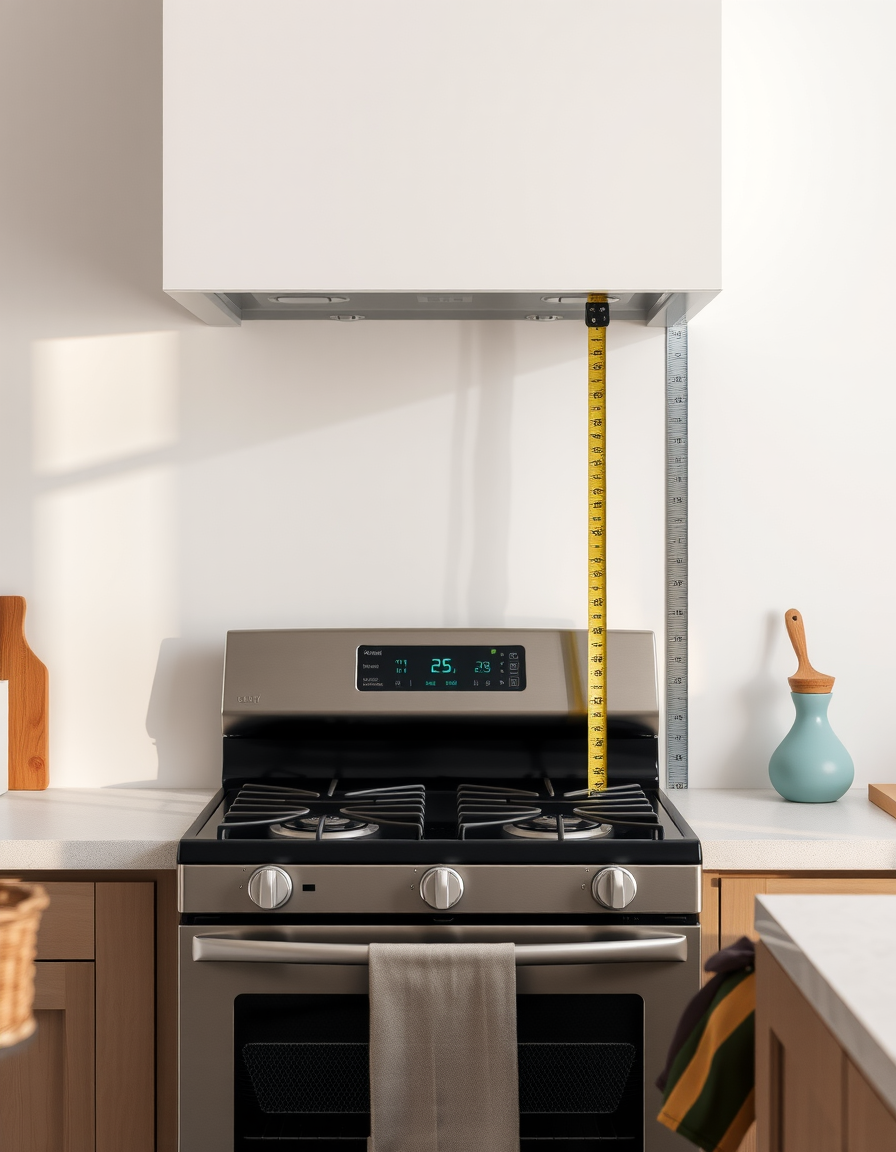
Kitchen lighting guide: task, ambient, and accent layers

Affiliate Disclosure: DecorDesignIdeas.com is a participant in the Amazon Services LLC Associates Program, an affiliate advertising program designed to provide a means for sites to earn advertising fees by advertising and linking to Amazon.com.
As an Amazon Associate, we earn from qualifying purchases. This comes at no extra cost to you.
Kitchens need more light per square foot than any other room. You are working with knives, reading recipes, and judging whether food is cooked. Bad kitchen lighting creates shadows exactly where your hands are, right on the cutting board under the overhead cabinets.
The fix is layered lighting: three types that handle different jobs.
For more on this topic, see our guide on Living room lighting ideas that set the right mood.
Layer 1: Ambient (general) lighting
Ambient light covers the whole room so you can walk around safely and see the floor, counters, and faces at the table.
Recessed (can) lights
The workhorse of kitchen ambient lighting. Space them 4-5 feet apart in a grid pattern across the ceiling. For an average 150-square-foot kitchen, plan for 6-8 recessed lights.
For more on this topic, see our guide on Kitchen island decor and styling.
LED retrofits ($15-$30 each) fit into existing housings and last 25,000+ hours. Choose IC-rated (insulation contact) housings if your ceiling has insulation above it.
Spacing formula: Divide your ceiling height in half. That number in feet is roughly how far apart to space recessed lights. For an 8-foot ceiling, space them 4 feet apart.
Flush-mount ceiling fixtures
If your kitchen has one central junction box and you cannot (or do not want to) install recessed lighting, a large flush-mount fixture (18-24 inches) provides adequate general lighting. Choose one rated for 2,000+ lumens to cover the room.
Cost: $40-$150 for a quality fixture.
Layer 2: Task lighting
Task lighting puts focused, shadow-free light on work surfaces. This is the most important layer in a kitchen.
Under-cabinet lights
These are the single most impactful kitchen lighting upgrade. They illuminate the countertop directly, eliminating the shadow your body casts when standing at the counter under overhead lights.
Types:
- LED strip lights ($15-$30 per strip): Self-adhesive, flexible, easy to install. Best for even illumination across the full counter length.
- LED puck lights ($10-$20 for a 3-pack): Round, focused spots. Good for highlighting specific zones (near the stove, at the prep area).
- LED light bars ($20-$50 each): Rigid strips with built-in diffusers that prevent visible LED dots. The cleanest look.
Installation tip: Mount them toward the front edge of the cabinet, not the back. Front-mounted lights illuminate the countertop surface more evenly and reduce glare reflecting off the backsplash into your eyes.
Pendant lights over the island
A pair or trio of pendants hung 30-36 inches above the island surface provides task lighting for the prep area and defines the island as a visual anchor.
Sizing rules:
- Pendant diameter: roughly one-third the width of the island
- Space pendants 24-30 inches apart
- For a standard 4-foot island: 2 pendants. For a 6-foot island: 3 pendants.
Cost: $40-$150 per pendant for mid-range options.
Over-sink lighting
A small pendant, a recessed downlight, or a directional track light aimed at the sink ensures you can see what you are washing. This spot gets overlooked frequently and creates a dark zone in otherwise well-lit kitchens.
Layer 3: Accent lighting
Accent lighting in kitchens is optional but makes the space feel finished and warm after dark.
In-cabinet lighting
LED strip lights inside glass-front cabinets highlight dishware and add a warm glow. Battery-operated motion-sensor strips ($10-$15) work for cabinets you open occasionally; hardwired strips work for display cabinets that stay closed.
Toe-kick lighting
LED strips mounted under the base cabinets (at the toe-kick) create a floating effect and provide nightlight-level illumination for midnight snack runs. This is a small detail that makes a kitchen feel expensive.
Cost: $20-$40 for a full kitchen’s worth of warm-white LED strip.
Above-cabinet lighting
If your upper cabinets do not reach the ceiling, LED strips placed on top wash light up the ceiling and make the room feel taller. This works especially well in kitchens with ceilings above 9 feet.
Color temperature for kitchens
Kitchens need slightly brighter, slightly cooler light than living rooms for accurate food prep, but not so cool that the space feels sterile.
| Zone | Recommended color temp | Why |
|---|---|---|
| Under-cabinet (task) | 3000-3500K | Neutral white for accurate food colors |
| Overhead ambient | 2700-3000K | Warm enough to feel comfortable |
| Accent (in-cabinet, toe-kick) | 2700K | Warm glow for atmosphere |
Consistency rule: Stay within a 300K range across your three layers. A 2700K ambient with 3000K task lights blends fine. A 2700K ambient with 5000K under-cabinet LED strips looks wrong.
Budget breakdown
| Fixture | Budget | Mid-range |
|---|---|---|
| Recessed lights (6-8) | $120-$240 (DIY retrofits) | $300-$600 (with install) |
| Under-cabinet LEDs | $15-$30 (strips) | $50-$100 (light bars) |
| Island pendants (2-3) | $80-$150 total | $150-$450 total |
| Accent strips | $20-$40 | $40-$80 (smart, dimmable) |
| Total | $235-$460 | $540-$1,230 |
Common kitchen lighting mistakes
- No under-cabinet lights. The number one complaint in kitchen renovations. Overhead lights alone create shadows on every work surface.
- Pendants hung too low. Below 30 inches above the island blocks sight lines and creates head-bonking hazards. Measure from the island surface, not the ceiling.
- All one type. Six recessed lights and nothing else creates flat, shadowless, unflattering light. Add at least one task layer and one accent element.
- Fluorescent tubes left in place. If your kitchen still has 4-foot fluorescent tubes in a lens housing, swap for LED panels ($30-$50) or replace the fixture entirely. The color quality improvement alone is worth the cost.
Wiring considerations
If you are renovating, plan your lighting circuits during the rough-in stage. Recommended approach:
- Separate circuits for ambient, task, and accent so each layer can be controlled independently
- Dimmer switches on ambient lights (LED-compatible dimmers, $15-$25 each)
- A single switch near the kitchen entry that controls ambient lights for walk-in convenience
- Under-cabinet lights on their own switch, usually mounted under the cabinet or at the backsplash
For non-renovation upgrades, plug-in LED strips and battery-powered puck lights let you add task and accent lighting without any wiring work.
Bottom Line
Kitchen lighting needs three layers: ambient overhead for general visibility, under-cabinet task lights for shadow-free prep surfaces, and optional accent lighting for warmth and style. Under-cabinet LEDs are the highest-value upgrade in any kitchen. Start there if your budget is limited, and add layers as you can.
Frequently Asked Questions
What is the best lighting for a kitchen?
A combination of recessed ceiling lights for general illumination, LED strips under the upper cabinets for task lighting on countertops, and pendant lights over an island or breakfast bar. This three-layer approach eliminates shadows and provides the right light for every kitchen activity.
How bright should kitchen lighting be?
The general recommendation is 30-40 lumens per square foot for kitchens. A 150-square-foot kitchen needs roughly 4,500-6,000 total lumens from all sources combined. Under-cabinet task lights should provide 250-400 lumens per linear foot of counter space.
Are LED lights good for kitchens?
LED lights are now the standard for kitchens. They last 25,000+ hours (compared to 1,000 for incandescent), produce very little heat, and come in every color temperature. Choose LEDs with a CRI (Color Rendering Index) of 90 or higher for accurate food colors.
Related Guides
- Kitchen backsplash ideas on a budget, surfaces that interact with under-cabinet lighting
- Kitchen island decor and styling, pendant placement for island lighting
- Small kitchen storage hacks, maximizing function in compact kitchens
- Garage ceiling ideas, lighting considerations for another functional space
Sources
- Lumens per square foot recommendations: Illuminating Engineering Society (IES)
- LED lifespan and CRI ratings: Energy Star qualified products database
- Fixture pricing: Home Depot, Lowe’s, and Wayfair retail listings (February 2026)