Kitchen Backsplash Trends 2026: What Designers Are Actually Installing

Affiliate Disclosure: DecorDesignIdeas.com is a participant in the Amazon Services LLC Associates Program, an affiliate advertising program designed to provide a means for sites to earn advertising fees by advertising and linking to Amazon.com.
As an Amazon Associate, we earn from qualifying purchases. This comes at no extra cost to you.
The backsplash is the one surface in a kitchen that people stare at while cooking, eating, and cleaning up. It gets more daily visual attention than the countertop or the cabinets. That makes it one of the highest-impact design decisions in any kitchen renovation, and trends in backsplash materials shift faster than in any other kitchen element.
Here is what is actually being installed in kitchens in 2026, based on what designers are specifying, what tile showrooms are selling, and what is showing up in completed projects.
This is the trend-and-material version. For a side-by-side cost comparison of peel-and-stick, paint, beadboard, laminate, and sheet metal, use kitchen backsplash ideas on a budget.
Listing check: ceramic and peel-and-stick tile links are current Amazon product pages we used to confirm those formats are still sold. We are not reprinting Amazon tile copy, and heat limits behind a range still come from the carton, not from a listing headline.
Zellige and handmade tile
Zellige tile, a hand-cut Moroccan clay tile with a naturally uneven glaze, has been building momentum for several years and hit its peak influence in 2025-2026. What makes zellige different from machine-made subway tile is the variation. No two tiles have the same surface, so a wall of zellige has movement, depth, and a handmade quality that flat ceramic cannot replicate.
The most popular zellige applications:
- 4x4 inch squares in a straight stack pattern (not offset)
- White or off-white glaze with natural color variation
- Floor-to-ceiling installation, not just the standard 18-inch backsplash height
- Matte or satin finishes rather than high gloss
Cost reality: Zellige runs $15 to $35 per square foot for the tile alone, roughly three to five times the cost of standard ceramic subway tile. Installation costs more too because each tile is slightly irregular, requiring more time to set.
For more budget-friendly backsplash options, see our guide on kitchen backsplash ideas on a budget.
Full-slab backsplash
Instead of individual tiles, a full slab of natural stone or engineered quartz runs from the countertop to the upper cabinets (or ceiling) as a single uninterrupted surface. This creates a smooth, monolithic look with no grout lines.
Materials being used:
- Calacatta marble or marble-look porcelain
- Quartzite (more durable than marble, similar veining)
- Engineered quartz matching the countertop material
- Sintered stone (brands like Dekton and Neolith)
The practical advantage: No grout lines means easier cleaning and no grout staining over time. The practical disadvantage is cost. A full-slab backsplash in natural stone typically runs $50 to $150 per square foot installed.
The most current look: Matching the backsplash slab to the countertop material so they read as a single continuous surface. Book-matched marble slabs (where two slabs are opened like a book to create a mirrored pattern) remain the highest-end version of this trend.
Vertical stacking patterns
The classic subway tile in a running bond (offset brick) pattern is being replaced by straight stack patterns. Tiles set in vertical columns with aligned grout lines create a more modern, structured look.
What is driving this shift:
- Running bond reads as traditional or farmhouse
- Straight stack reads as modern and deliberate
- Vertical orientation draws the eye upward, making kitchens feel taller
The dimensions that work best:
- 2x8 inch tiles stacked vertically
- 3x12 inch tiles for a slimmer, more elongated profile
- Standard 3x6 subway tiles work too, but the narrower formats look more refined
A 2x8 ceramic tile in matte white stacked vertically is one of the most cost-effective ways to get a current look. Expect to pay $3 to $8 per square foot for the tile.
Fluted and ribbed surfaces
The fluted texture trend that started with vanities and cabinet fronts has moved to backsplashes. Fluted tile creates a series of vertical ridges that catch light and cast subtle shadows throughout the day.
Options for getting the fluted look:
- Porcelain tiles with a built-in fluted profile
- Actual fluted glass panels (more expensive, dramatic with backlighting)
- Ribbed plaster or cement for a raw, industrial look
Where it works: Fluted backsplashes look best behind ranges and cooktops where they are the focal point. They are less practical behind sinks where the grooves can trap water and soap.
Dark and moody backsplashes
The all-white kitchen is losing ground. Dark backsplashes in charcoal, deep green, navy, and black are appearing in kitchens that pair dark tile with light countertops and natural wood cabinets.
Combinations that are working:
- Black zellige tile + white quartz countertop + white oak cabinets
- Deep forest green tile + butcher block countertop + cream cabinets
- Charcoal matte tile + marble countertop + dark painted lower cabinets with open upper shelving
This approach creates contrast and depth that all-white kitchens lack. The dark backsplash anchors the kitchen visually while the lighter surfaces keep it from feeling heavy.
To understand how these color choices fit with the broader design movement, read our overview of home decor trends 2026.
Natural stone mosaic
Small natural stone tiles arranged in mosaic patterns bring organic texture and color variation to kitchen backsplashes. The most popular formats in 2026 are herringbone and chevron patterns in marble, travertine, or slate.
What sets natural stone mosaic apart from ceramic mosaic: Every tile has unique veining and color variation. This makes the installation look richer and more layered than a ceramic equivalent. The trade-off is that natural stone is porous and requires sealing annually to prevent staining.
A budget option: Peel-and-stick stone mosaic tiles offer a similar look for renters or temporary installations. They won’t hold up to heat directly behind a gas range, but work well in other areas. The step-by-step version lives in our peel-and-stick backsplash for renters.
Thin brick
Thin brick backsplashes bring an industrial or European bistro feel to kitchens. Unlike full brick, thin brick veneer (about 0.5 inches thick) installs over drywall with mastic adhesive.
The look right now: Whitewashed or limewashed thin brick rather than raw red. The whitewashing softens the industrial edge and makes it work in kitchens that lean more traditional or modern farmhouse.
For related ideas on combining old and new materials, see our guide on how to mix modern and vintage decor.
What is fading out
Not every backsplash trend from recent years has staying power. Here is what is declining:
| Fading trend | Why it is declining | What is replacing it |
|---|---|---|
| White subway tile in running bond | Ubiquitous, reads as generic | Zellige, vertical stack, or colored tile |
| Penny tile | Cleaning grout lines is impractical | Larger format tiles or slab |
| Mosaic peel-and-stick vinyl | Looks cheap up close | Real tile or quality peel-and-stick stone |
| Mirrored backsplash | Fingerprint magnet, dated look | Matte or satin finishes |
| Bold patterned encaustic | Hard to resell the house with | Subtle handmade textures |
Installation considerations
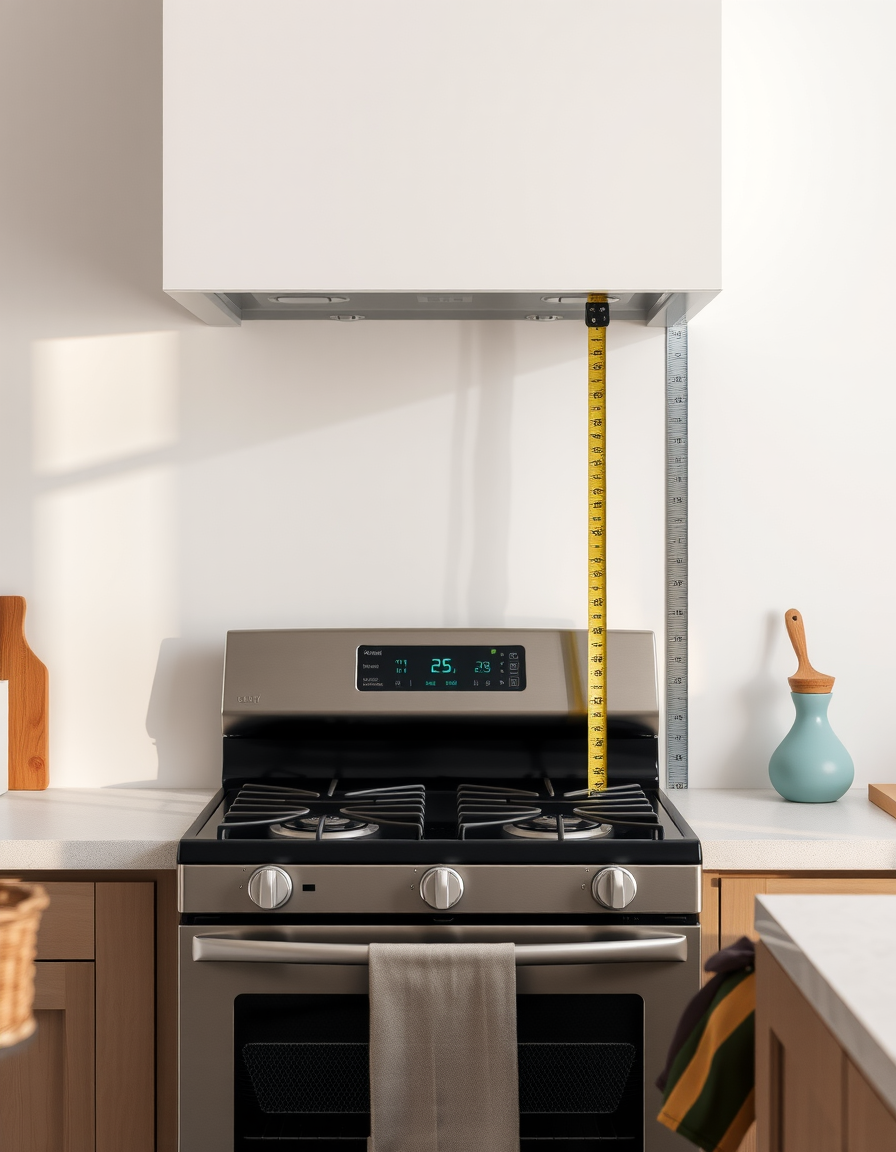
Height matters: Standard backsplash height (from countertop to bottom of upper cabinets, usually 15-18 inches) is fine for simple treatments. But the 2026 move is to take backsplash material all the way to the ceiling, especially on the wall behind the range or a wall without upper cabinets. Full-height installations make kitchens feel taller and more custom.
Grout color makes or breaks the look: For a clean, modern appearance, match the grout color to the tile. For a more graphic look that emphasizes the pattern, use a contrasting grout. White tile with dark grout looks like a grid. White tile with white grout looks like an unbroken surface.
Lighting your backsplash: Under-cabinet LED strip lights are no longer optional in a well-designed kitchen. They illuminate the backsplash surface, highlighting texture and color, and act as essential task lighting for countertop work. For more on kitchen illumination, check our kitchen lighting guide.
Bottom line
The common thread across 2026 backsplash trends is texture and character. Flat, machine-perfect surfaces are giving way to handmade tiles, natural stone, and dimensional treatments that add warmth and individuality to kitchens. Whether you spend $3 per square foot on vertically stacked ceramic or $35 per square foot on imported zellige, the goal is the same: a backsplash that has movement, depth, and something to look at beyond a flat plane of white.
Frequently Asked Questions
What is the most popular kitchen backsplash in 2026?
Handmade zellige tile in white or off-white, installed in a straight stack pattern. It offers the clean look of subway tile with far more visual depth and character. Vertical-stack ceramic tiles in narrow formats (2x8 or 3x12) are the most popular budget alternative.
Are subway tiles outdated?
The classic 3x6 white subway tile in a running bond pattern feels generic in 2026. The tile format itself is fine, but installing it in a vertical stack or using a colored or textured version makes it feel current again. The layout and finish matter more than the shape.
What backsplash is easiest to clean?
Full-slab backsplashes (quartz, porcelain, or sintered stone) with no grout lines are the easiest to wipe down. Among tiled options, large-format glazed porcelain tiles with minimal grout joints require the least cleaning effort. Avoid unglazed natural stone and tiny mosaic tiles if easy cleaning is a priority.
How high should a backsplash go?
Standard height is 15-18 inches (countertop to the bottom of upper cabinets). But taking the backsplash to the ceiling, especially on feature walls or walls without upper cabinets, is the preferred approach in 2026. Full-height installation adds about 30-50% more material cost but creates a much more polished look.
Can I install a tile backsplash myself?
Yes, if you are comfortable with basic tools. Peel-and-stick tiles require no special skills. Traditional tile requires a tile saw (or score-and-snap cutter for straight cuts), thinset mortar, grout, and patience. A 30-square-foot backsplash takes most DIYers a full weekend. Watch for electrical outlets, which need to be extended if you are adding tile thickness to the wall.
Video guide
Watch this helpful tutorial for a visual walkthrough:
Video by TileBar on YouTube. \n## Related Articles